Voice Acting 101: Giving Characters a Life Off-Screen
Discover the skills, gear, and performance choices that turn written lines into believable voices—bringing characters to life on and off the screen.
Finding Your Character's Voice
Breathing life into a character begins with curiosity. Before you touch the mic, define the character objective—what they want—and how that want shapes their choices. Imagine their physicality: Are they relaxed or taut, tall in posture or hunched in caution? Let that body inform your timbre, tempo, and rhythm. A careful, bookish soul may land on lighter consonants and a narrower vocal range, while a swaggering adventurer might punch vowels and ride a broader cadence. Explore status: High-status characters often take time and space; low-status voices may compress, hesitate, or rush. To avoid hollow mimicry, connect to subtext—the feeling beneath the words—so each line arrives from intention, not ornament. Keep a small palette of reference adjectives—warm, brittle, velvety, metallic—to guide choices without locking you into a caricature. Record quick explorations, label them by traits, and listen back for authenticity. When the voice reflects motive, body, and history, the character starts to breathe off‑screen.
Breath, Posture, and Control
A steady voice begins below the neck. Build diaphragmatic breathing so support flows without strain, letting you whisper with steadiness and roar without fatigue. Stand tall, release the jaw, and keep the ribcage buoyant; posture influences resonance and endurance. Warm up gently: lip trills for airflow, hums for placement, slides for range, and tongue twisters for crisp articulation. Hydrate throughout the day; the vocal folds prefer moist environments, not quick sips right before a take. Treat breath as a storytelling tool: a tremor can imply fear, a held inhale can signal anticipation, and a measured exhale can signal resolve. Map breath marks into scripts to preserve consistency across sessions. When you tire, reduce effort rather than pushing; lighter contact often yields a cleaner tone. Avoid throat clearing—use a sip of water or a gentle hum to reset instead. Your instrument thrives on routine care, so schedule rest, warm-ups, and cooldowns with the same respect as recording time.
Acting Through the Microphone
The mic is not a camera; it's a magnifying glass. Learn microphone technique to translate nuance into presence. Use a pop filter and work slightly off‑axis to soften plosives and sibilance. Control proximity effect: drift closer for intimacy and body, step back for shouts or laughter to protect the take and your voice. Keep a stable angle so tone remains even when energy shifts. Mark emotional beats in the script—moments where attitude pivots—and layer in subtext so pauses and breaths carry meaning. Vary dynamic range with purpose; let volume, pace, and texture reflect thought process, not randomness. Reactions matter: a small intake, a silent smile, or a pained swallow can convey more than extra words. Record two to three focused passes: a truthful baseline, a bolder color, and a surgical one for pickups. Monitor with one ear slightly off the headphones to avoid overprojecting. Remember, clarity is kindness; the audience feels what the mic faithfully receives.
Building Distinct, Believable Characters
Memorable voices share three anchors: placement, pattern, and perspective. Start with vocal placement—mask, chest, or a mix—to shape resonance. Then define pitch, pace, and texture: perhaps mellow, measured, and grainy; or bright, quick, and glassy. Choose a subtle anchor phrase that snaps you into the role instantly—three or four words that lock posture, intention, and rhythm. Build a light character bible noting goals, fears, speech habits, and emotional triggers. Favor humanity over gimmick; use tics sparingly and only when they serve the story. For dialects or cultural markers, lead with respect and research, prioritizing motivations and relationships over broad strokes. Track continuity by logging settings for tone, energy, and mouth‑to‑mic distance. Lastly, let contrast guide an ensemble: shift placement, tempo, or vowel shape so no two voices collide. Distinct doesn't mean extreme; it means specific. When choices spring from inner life, variety follows naturally.
Recording Spaces and Clean Audio at Home
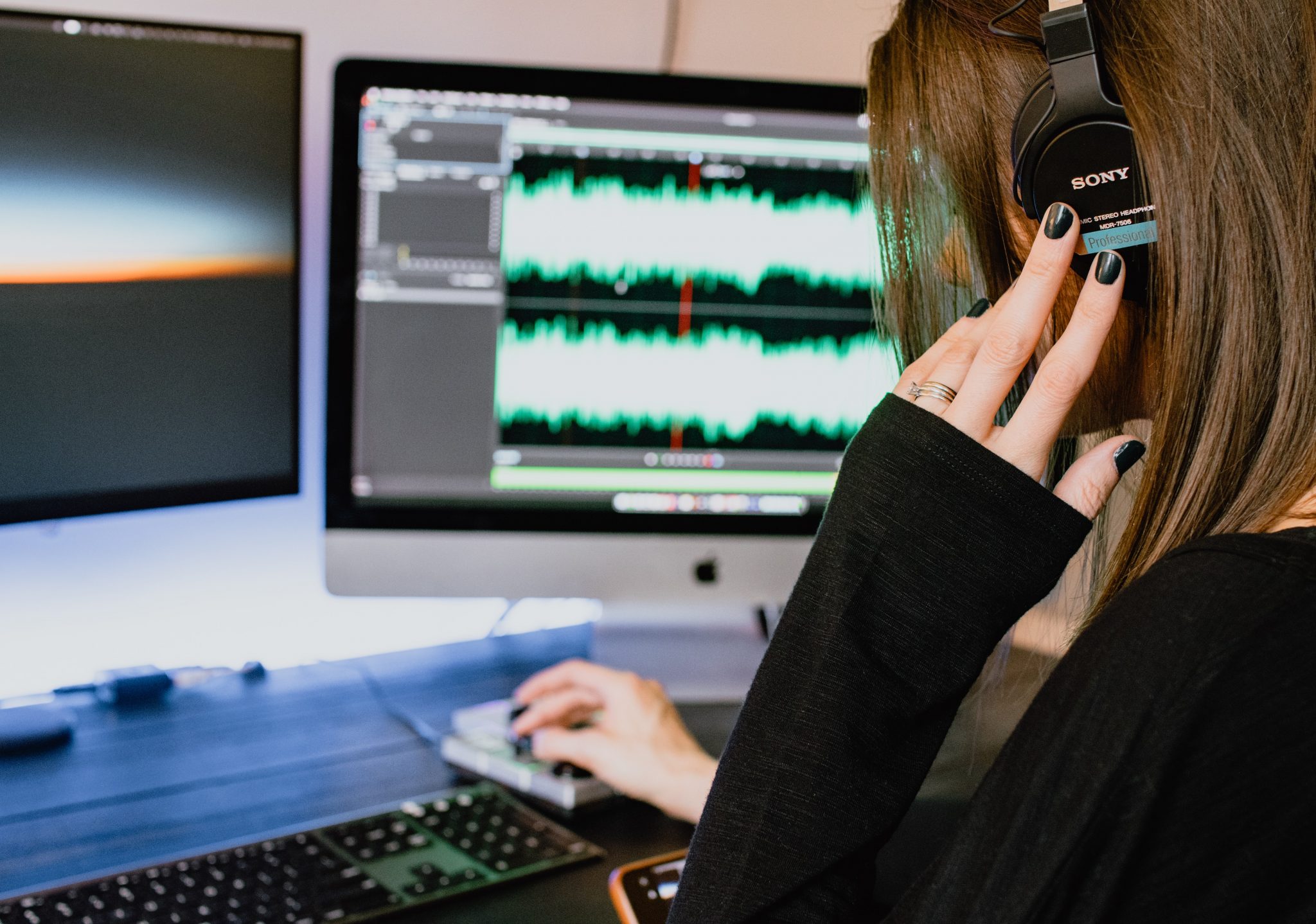
Great performances need clean capture. Treat your room for reflections with acoustic treatment: soft, uneven surfaces near the mic reduce flutter and echo. Remember, treatment differs from soundproofing; your goal is a dry space with a low noise floor, not necessarily a sealed bunker. Use a reliable cardioid mic, a pop filter, and stable gain staging so peaks never clip and whispers remain audible. Record room tone at the start of sessions to help smooth edits. Monitor with closed‑back headphones to catch mouth clicks, rustle, or HVAC hum before they ruin a take. Keep an editing workflow: remove distractions, assemble best lines, and apply light corrective EQ or noise reduction sparingly to avoid artifacts. Label takes clearly and back up sessions. If a click sneaks through, punch‑in with matching posture and distance to preserve continuity. Tools matter, but performance still leads; a sincere read in a modest booth outshines an empty read in a pristine studio.
Auditions, Direction, and Sustainable Careers
Treat every audition like a miniature performance. Read the spec carefully, slate cleanly if requested, and deliver concise alt takes that show range without drifting off‑brief. Front‑load your strongest moments; casting often decides quickly. When direction arrives, receive it as a gift: paraphrase notes, ask one clarifying question, and adjust immediately so collaborators hear responsiveness. Keep a repeatable workflow—script markup, breath plan, first pass for truth, second for color, third for precision. Protect longevity with daily vocal care, smart scheduling, and boundaries around high‑strain work. Track what books and why; patterns reveal your marketability and inform targeted practice. Build relationships by being prepared, punctual, and pleasant; reliability is a competitive advantage. Continue training—acting, improv, diction, and mindfulness sharpen presence. Most importantly, preserve resilience and play. Curiosity fuels freshness, and a spirit of exploration keeps characters vivid, session after session, long after the red light turns off.