The Quiet Luxury Shift: Minimalism With Meaning
A new era of quiet luxury favors fewer, better things—crafted, timeless, and sustainable—where restraint, provenance, and purpose define true value.
Essence of Quiet Luxury
Quiet luxury signals a cultural shift from excess to intentional minimalism, where restraint is not a compromise but a confident choice. Rather than shouting for attention, this approach whispers with clarity, emphasizing quality over quantity, subtlety over spectacle, and enduring value over trends-for-trends-sake. The appeal lies in the idea that every item, space, or experience should carry meaning, backed by careful selection and long-term utility. People are editing their lives, curating fewer, better things that hold personal significance and emotional resonance. This is not about deprivation; it is about discernment. The palette is calm, the materials are honest, and function is elevated into a quiet form of delight. In the realm of lifestyle and products, quiet luxury manifests as considered choices that harmonize aesthetics with responsibility. The outcome is a grounded elegance that feels timeless, designed to serve rather than dominate, restoring a sense of balance, ease, and intention to the way we live.
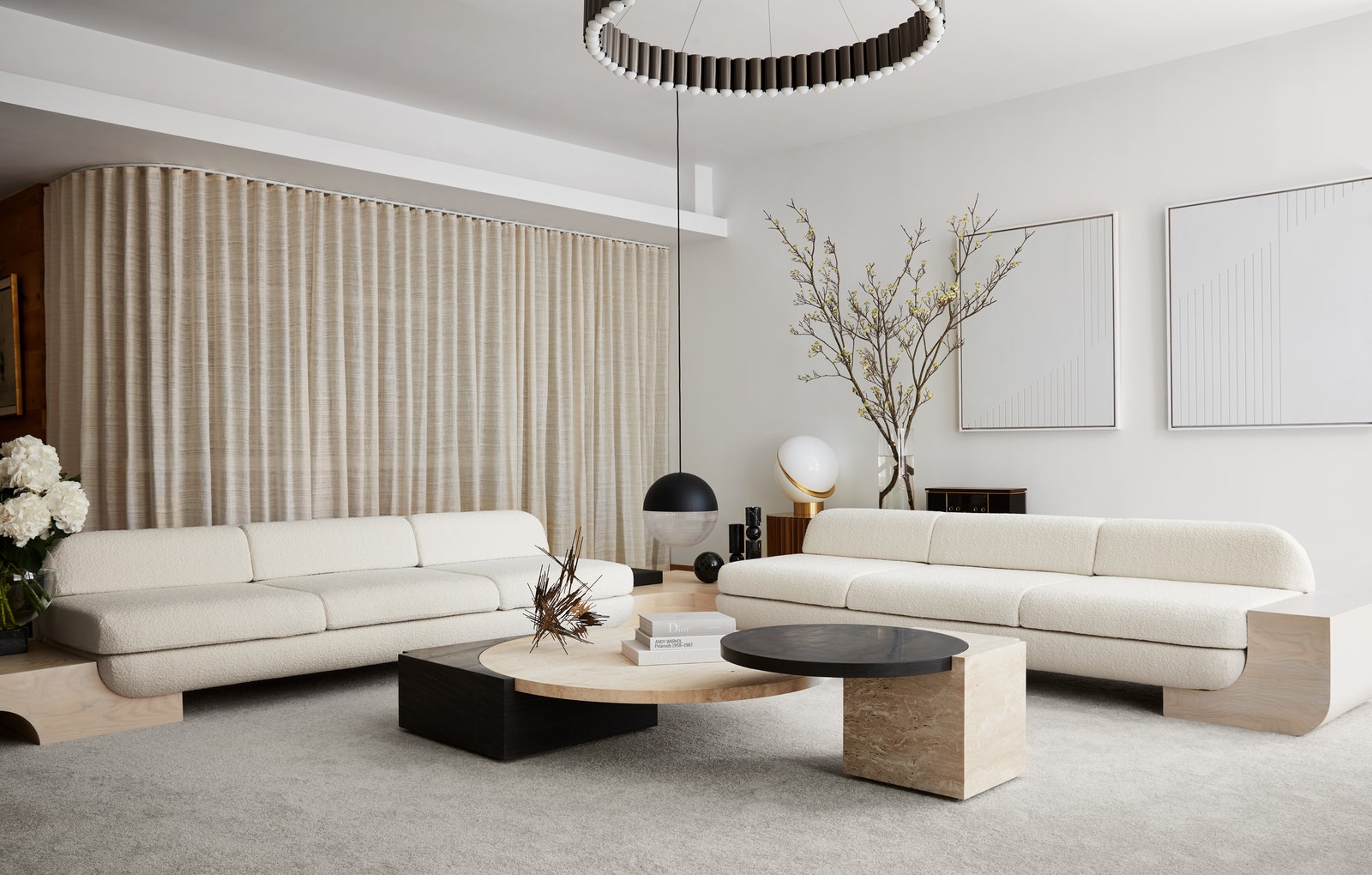
Materials and Craft with Purpose
At the core of this movement is a renewed respect for materials and craftsmanship. Quiet luxury favors natural fibers, noble woods, durable metals, and carefully engineered composites chosen for performance, repairability, and graceful aging. The emphasis is on longevity and integrity: seams that hold, finishes that develop a warm patina, and components that can be maintained rather than discarded. Provenance matters, not as a brag but as a story of care and accountability. Small-batch production, local workshops, and transparent supply practices resonate because they connect the owner to human skill and time. A subtly perfect stitch or a hand-smoothed edge becomes the new status symbol. Pieces are designed to be heirloom-worthy, adaptable, and resilient, with modular parts and thoughtful packaging that minimize waste. In this trend, the quiet statement is not a logo but a lived experience of durability, tactile pleasure, and the quiet confidence that the object will serve beautifully, day after day.
Design Language: Understated Signals
The visual grammar of quiet luxury is built on proportion, negative space, and texture. Instead of loud graphics or conspicuous ornament, it relies on refined silhouettes, balanced lines, and subtle surface interplay that invites a closer look. Neutral palettes anchor the eye, while nuanced textures and restrained contrasts add depth without distraction. Hardware is reduced, seams are minimized, and details are integrated with purpose so that form follows function in an elegant, almost invisible way. Branding retreats into silence, replaced by signature construction methods and tactile cues that connoisseurs recognize instantly. The result feels calm yet expressive, polished yet unforced. In interiors, this language translates to clean planes, warm light, and materials that breathe. In apparel and product design, it becomes tailored simplicity that moves beautifully and works intuitively. Each choice communicates confidence without noise, proving that sophistication lives in what is removed as much as in what remains.
Lifestyle and Rituals
Quiet luxury extends beyond products into daily rituals that prioritize presence, care, and mindful consumption. The wardrobe becomes a capsule grounded in versatile essentials that layer seamlessly across contexts. Homes are arranged to support restorative routines: a place for every object, calm acoustics, and tactile cues that invite touch and focus. Meals favor fewer, better ingredients prepared with attention. Travel becomes purpose-driven, trading novelty for depth and meaningful connection. The goal is to design rhythms that lower friction and elevate well-being, from the cup that feels right in the hand to the chair that supports hours of deep work. Maintenance is part of the ritual too—conditioning leather, airing wool, oiling wood—transforming upkeep into a small ceremony of stewardship. In this lifestyle, time is the ultimate luxury, and choices are measured by how they enrich moments. The result is a grounded elegance that is lived, not displayed, and sustained by consistent, caring habits.
Digital Expressions of Calm
In a world saturated by notifications and velocity, quiet luxury in digital experiences embraces calm technology. Interfaces lean into clear typography, considered spacing, and subtle microinteractions that inform without demanding attention. Navigation is intentionally simple, prioritizing tasks users actually value, while transitions are smooth and unhurried. Tone shifts from hype to assured clarity, offering depth of information when invited rather than flooding the screen. Content is edited for relevance, visuals are optimized for texture and readability, and performance focuses on speed without drama. Service design carries the same ethos: frictionless yet human, with responsive support, thoughtful onboarding, and transparency that builds trust. Even marketing adopts an editorial cadence, preferring story and substance over noise. The result is a digital presence that feels premium not because it dazzles but because it reduces cognitive load, respects attention, and delivers serenity—proving that elegance online is a function of intention, restraint, and care.
Inclusive Paths to Participation
Quiet luxury is not solely the realm of scarcity; it is also about access through wisdom. People participate by learning to identify quality cues, embracing resale, prioritizing repair, and choosing modularity that extends life. Community knowledge—how to store cashmere, re-edge a blade, or refresh a finish—becomes a shared asset that lowers barriers. Rental, peer-to-peer sharing, and carefully curated second-life marketplaces widen access to exceptional design while reducing waste. Customization and made-to-order pathways allow individuals to buy precisely what they need, preventing overproduction and deepening attachment. This inclusivity reframes status as care, knowledge, and stewardship, not mere ownership. For creators, it encourages flexible pricing structures, transparent materials choices, and services that keep products in circulation longer. The quiet statement is a system that rewards thoughtfulness, where elegance is measured by the harmony of choices across budget, use, and impact, and where more people can live with substance over noise.
Redefining Value and Success
As quiet luxury matures, the metrics of success shift from novelty and volume to usefulness, joy, and longevity. Value is framed by cost per use, emotional durability, repair pathways, and the grace with which an object or service integrates into life. Brands and makers are evaluated on consistency, traceability, and the ability to stand behind their work over time. Consumers develop personal rubrics: Does this item reduce decision fatigue? Does it age well? Does it align with my values? This perspective favors slow evolution over constant reinvention, and timeless design over seasonal churn. It also highlights the role of stewardship—taking responsibility for what we bring into the world and how we care for it. In this trend, prestige is not loud or fleeting; it is steady, earned, and quietly felt. The outcome is a healthier ecosystem where meaning compounds, objects tell richer stories, and elegance becomes a practice, not a pose.