The Art of Effortless Layering: Build Outfits That Work Year-Round
Master the art of effortless layering with smart fabrics, proportions, and color—build versatile outfits that adapt seamlessly to every season.
Start With Smart Foundations: Effortless layering begins with a dependable base layer that skims the body and supports everything above it. Think smooth tees, ribbed tanks, fine long-sleeves, and light bodysuits that add coverage without bulk. Prioritize fit and breathability so pieces glide rather than cling, and choose a neutral palette to maximize versatility. Fabrics like soft cotton blends, modal, or silk-weight knits create a clean canvas under cardigans, shirts, and jackets. In warmer weather, your base can stand alone; as temperatures dip, it quietly boosts warmth and polish. Seek hemlines that tuck easily into waistbands, necklines that sit neatly under collars, and sleeves that slide under blazers without bunching. A slip dress or skirt can also function as a base, streamlining lines under chunkier knits. When foundations feel comfortable and intentional, you waste less time adjusting layers and more time enjoying a look that feels effortless from morning to night, regardless of shifting climates or settings.
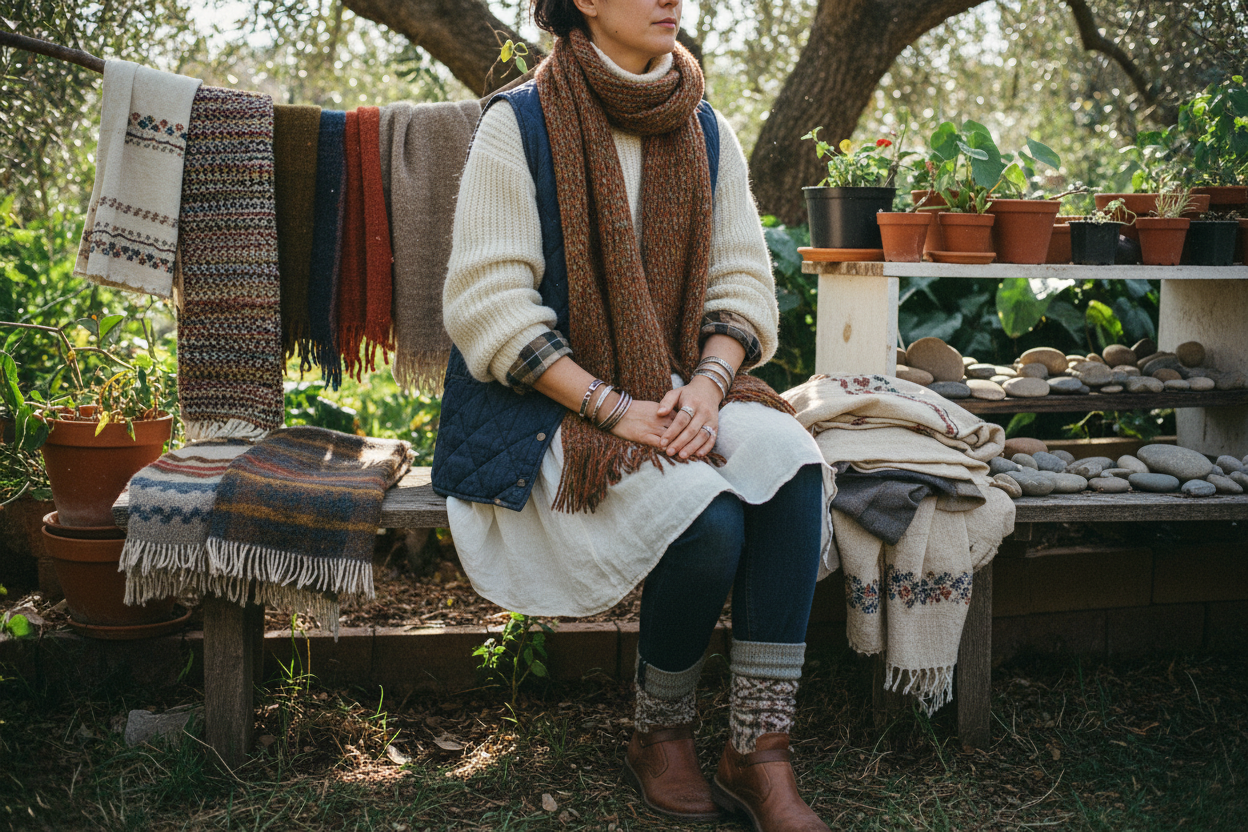
Play With Proportion and Length: Mastering proportion is the secret to layers that look designed, not accidental. Balance fitted bases with relaxed mid layers, or offset voluminous pieces with tailored bottoms. Try cropped knits over high-rise trousers to highlight the waist, or pair a longline shirt with slim denim to elongate the leg. A column of color under an open jacket creates instant height, while a hip-length cardigan anchors wide-leg silhouettes. Hem interplay matters: shorter on top, longer beneath, or vice versa, creates intentional contrast. Consider sleeve stacking too—rolled cuffs over a peeking base sleeve add rhythm without clutter. Lightweight tunics, waistcoats, and vests are proportion tools that frame the body without overwhelming it. When in doubt, apply visual thirds: divide your look so one segment leads and the others support. This keeps layers harmonious and dynamic, delivering polish that reads as confident, modern, and easy to wear in any season.
Mix Texture, Fabric, and Weight: Great layering is a conversation between texture, fabric, and weight. Combine sleek with tactile—denim against silk, cashmere over crisp poplin, linen beside leather—to create depth that photographs beautifully and feels luxurious in motion. Build a weight ladder from light to substantial: an airy base, a fluid shirt or knit, then a structured outer layer. This prevents bulk, improves drape, and makes on-the-go adjustments intuitive. Seasonal shifts become seamless when you vary fabric weights rather than overhauling your wardrobe. Swap a heavy cardigan for a fine-gauge knit, or trade a dense jacket for an unlined blazer, and you have the same outfit calibrated for comfort. Textural contrast also refines color; matte pieces soften brights, while shine adds lift to deep neutrals. Look for subtle surface interest—ribbing, twill, boucle, suede—to catch light and add dimension. Curate fabrics that breathe, insulate, and move so you stay comfortable and composed from desk to dinner.
Craft a Cohesive Color Strategy: Color directs the eye and ties layers together. Start with an anchoring neutral palette—think oatmeal, navy, charcoal, ivory, olive—then add one or two accent hues for personality. Tonal dressing (different shades of a single color) makes layers feel intentional, while monochrome simplifies silhouettes and amplifies texture. For contrast, pair warm with warm or cool with cool; or introduce a complementary pop through a scarf, bag, or knit. Prints work best when they echo your base colors; let one pattern lead and keep others subtle to avoid visual noise. Metal tones count too: hardware, zips, and jewelry should harmonize rather than compete. If you love brights, ground them with deeper layers or structured pieces. If you prefer minimalism, play with saturation shifts—ink to sky, cocoa to cream—to keep the look dynamic. A considered palette ensures your layers read as one story, not separate chapters.
Select Outer Layers That Earn Their Keep: The right outer layer is a force multiplier. Blazers, chore jackets, trenches, utility vests, overshirts, and refined bombers finish outfits while adapting to temperature changes. Focus on structure where you want polish—shoulders, lapels, clean closures—and softness where you want ease—drapey fronts, knit collars, or belt ties. A midweight jacket worn open creates vertical lines and breathing room; cinched with a belt, it defines shape for cooler days. Look for details that extend wear: cuff tabs for rolling, side slits for movement, and pockets that actually hold essentials. Neutral toppers pair across your closet, while a saturated or textured piece becomes a signature layer that elevates basics. Prioritize comfortable armholes and smooth linings so pieces glide over sweaters without friction. Versatile length matters too: hip to mid-thigh works with most silhouettes, from wide-leg trousers to midi dresses, delivering proportion that feels balanced year-round.
Elevate With Accessories and Functional Details: Intelligent accessories turn layers into looks. Scarves add warmth and dimension; choose gauzy weaves for softness or structured knits for sculptural volume. Belts carve shape over blazers or cardigans and spotlight the waist when proportions skew relaxed. Hats, from beanies to fedoras, balance head-to-toe volume and add character. Jewelry provides focal points: hoops or a short pendant sharpen necklines peeking from collars, while stacked bracelets complement rolled sleeves. Bags should respect silhouette and scale—streamlined crossbodies for tailored outfits, slouchy totes for off-duty layers. Consider footwear as a layer too: sleek sneakers streamline, loafers polish, boots add grounding weight. Socks and hosiery can bridge color stories or introduce texture. Functional touches—convertible straps, discreet thermal layers, compact umbrellas—keep style intact when the weather shifts. With thoughtful accents, you can dial a look warmer, sleeker, or bolder in seconds, maintaining cohesion without swapping core pieces.
Make It Effortless With Systems and Mindset: Effortless layering thrives on repeatable systems. Build outfit formulas around the three-layer rule: base, mid, and outer. Use the rule of thirds to balance lengths. Pre-plan capsules by color family so pieces interlock. Conduct quick try-on sessions to test sleeve friction, tuck behavior, and jacket mobility; snap photos to create a personal lookbook. Keep a tailoring mindset—small adjustments like cuffing, half-tucks, and belt placement reshape proportions instantly. Maintain garments with steaming and fabric combs so textures read intentional, not tired. Anticipate temperature swings: a packable scarf, thin thermal tee, or lightweight vest lives in your bag as an insurance policy. When an outfit feels off, remove one element or swap a texture before changing everything. Confidence comes from familiarity with your tools. Over time, these habits make layering second nature—adaptable, comfortable, and unmistakably you in any setting.