Sunscreen Made Simple: Protection Without the White Cast
Discover how to choose and apply sunscreens that protect without a chalky finish—smart filters, textures, and tips for every skin tone.
Why White Cast Happens—and How to Avoid It: The infamous white cast shows up when sun filters scatter visible light on the skin's surface. Classic mineral filters like zinc oxide and titanium dioxide are fantastic at blocking rays, but their larger, opaque particles can leave a chalky veil—especially on medium to deep complexions. Modern formulations tame this effect with micronized and coated particles, silky emollients, and sheer gel-cream bases that sit closer to skin's natural finish. You'll also see tinted options using iron oxides to neutralize the bluish flash that minerals can create on darker tones. If you prefer a barely-there look, consider elegant chemical filters designed for transparency; they absorb UV rather than reflecting it, often resulting in a smoother, invisible finish. Whichever route you choose, prioritize broad-spectrum protection covering UVA and UVB. Supporting players like film formers improve spreadability, while antioxidants help combat environmental stressors. The right texture, pigment balance, and filter combo can deliver reliable defense—without the ghostly cast.
Match Formula to Tone and Skin Needs: Start with your skin type and undertone. For oily or combination skin, weightless gel or fluid sunscreens with a soft-matte dry-down minimize shine and feel breathable. Dry or mature skin benefits from lotion or cream textures featuring ceramides, squalane, or hyaluronic acid for lasting comfort. Sensitive or reactive complexions may prefer minimalist, fragrance-free formulas leaning toward zinc oxide for its soothing profile. Deeper skin tones often find success with tinted mineral sunscreens containing iron oxides, which offset grayness and harmonize with undertones. Acne-prone users should look for non-comedogenic labeling and sheer, fast-absorbing bases that won't clog pores. If you exercise or spend time outdoors, opt for water-resistant protection; for everyday desk-to-door routines, a light, cosmetically elegant finish encourages consistent use. Face and body can need different textures—think satin-finish for face, spreadable lotions or sprays (always rubbed in) for large areas. Above all, pick an SPF you love wearing daily—comfort drives consistency.
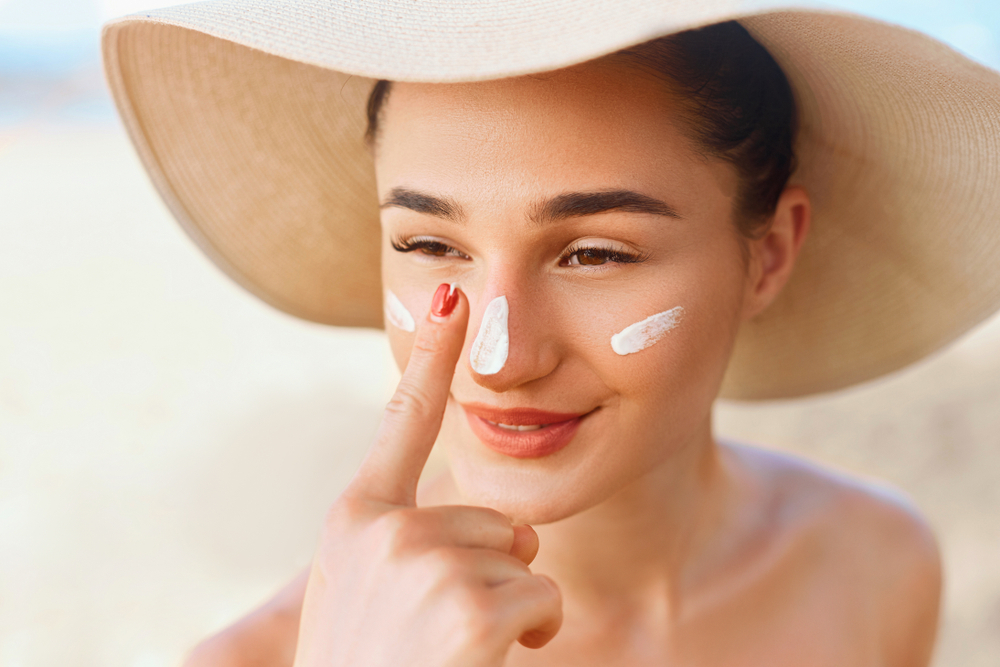
Application That Disappears: Even the best formula can look streaky if applied haphazardly. Aim for an adequate amount—many people underapply, which can compromise protection and exaggerate unevenness. Try dotting product over the face—forehead, cheeks, nose, chin—then pat and glide in thin layers. Warming the sunscreen between fingertips helps it melt seamlessly; allow a brief set time between layers to prevent lifting. Around hairlines, eyebrows, and beards, use gentle pressing motions and a clean sponge to diffuse edges and avoid residue. Resist diluting sunscreen in moisturizer, which can reduce its tested performance; instead, sandwich skincare, then sunscreen, then makeup. For reapplication, consider sticks, cushions, or sheer mists followed by hands-on blending to maintain even coverage. Don't forget commonly missed spots: ears, eyelids, neck, the back of the neck, and hands. If a formula still shows, a tinted pass over the top or a shade-matched mineral option can neutralize remaining cast while reinforcing defense.
Makeup-Friendly Protection: Your sunscreen should play nicely with makeup, not fight it. To minimize pilling, keep layers light, let skincare absorb, and match textures—silicone-heavy primers pair best with similarly silicone-compatible sunscreens, while watery gels prefer lightweight, water-based bases. If you love a blurred, matte look, choose a soft-focus sunscreen or set with a sheer powder after allowing full dry-down. For glow, reach for serum-like or luminous finishes and lock in with a mist. Tinted sunscreens can double as a skin-evening base, reducing the need for heavier foundation; just avoid mixing sunscreen directly with foundation, which can dilute SPF. Use concealer where needed and build coverage strategically. Powder or spray products with sun filters work best as touch-ups, not your only shield. Finish with lip SPF to protect the delicate mouth area, and keep blotting papers on hand to manage midday shine without disturbing your protective layer or creating patchiness.
Smart Shopping, Storage, and Habits: Scan labels for broad-spectrum coverage and choose SPF 30 or higher for daily reliability. If you swim or sweat, look for water-resistant claims and reapply as directed; in everyday life, reapply every couple of hours and after toweling. Consider region-specific markings like PA ratings or UVA symbols when available. Patch test new formulas, especially if you're sensitive, and note how a product behaves under your usual makeup. Store sunscreen in a cool, dry place; excess heat and sunlight can degrade performance. Replace bottles that smell off, separate unusually, or have changed color. To build the habit, keep a travel-size in your bag, a bottle by the mirror, and one near the door for hands and neck on your way out. Pair sunscreen with protective clothing, shades, and shade-seeking for a comprehensive routine. With thoughtful shopping and consistent use, you can enjoy confident, cast-free protection that elevates your daily beauty ritual.