Stay Consistent: Habits and Motivation for Lifelong Fitness
Build sustainable routines, protect motivation, and master small habits to keep moving for life—through busy seasons, setbacks, and success.
Mindset First: Lifelong fitness begins with identity: decide you are the kind of person who moves daily, not the kind who waits for perfect conditions. Consistency beats intensity, especially when motivation ebbs and flows. Treat workouts like brushing your teeth: routine, nonnegotiable, and flexible in length. When energy soars, go longer; when it dips, honor a minimum commitment, such as ten mindful minutes of walking, mobility, or core work. Link effort to values like being present for family or feeling clear at work, because values endure when hype fades. Practice self-compassion after missed days; shame slows returns, but curiosity asks what small tweak would make tomorrow easier. Track the feeling after sessions to remind your brain that movement upgrades mood, focus, and sleep. Think process, not perfection: show up, move well, leave a little in the tank, and repeat. Over time, these small, reliable deposits compound into resilient strength, durable joints, and a trustworthy relationship with your body.
Build Habits That Stick: Anchor movement to daily cues so exercise runs on autopilot. Pair a simple routine with a trigger: after coffee, take a brisk walk; after work, hit a strength circuit; before shower, do three mobility flows. This is habit stacking, and it thrives when the first step is tiny and obvious. Reduce friction by laying out shoes, scheduling sessions, and keeping a minimum viable workout ready for hectic days. Shape your environment: keep a mat visible, put a kettlebell near your desk, and log workouts where you will actually see them. Use implementation intentions with if‑then statements to guard against excuses: if meetings spill over, then I do a 12‑minute timer session. Reward consistency with enjoyable cues like a favorite playlist or a post‑session stretch you genuinely love. The simpler the start, the faster your brain learns that getting going is easy, repeatable, and worth it.
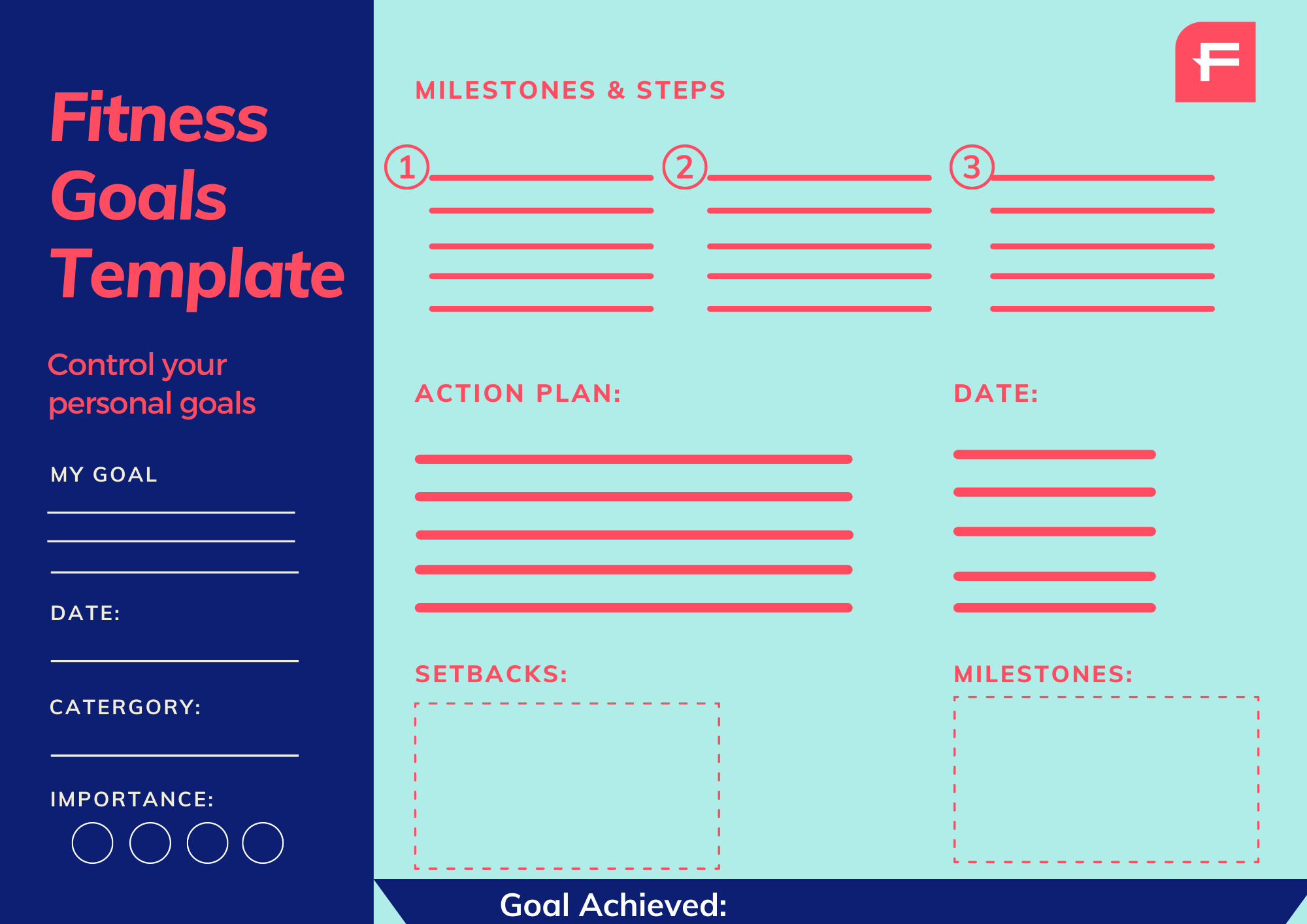
Goals You Can Live With: Trade vague ambitions for process goals you can control: three full‑body sessions per week, daily walks, or a monthly mobility challenge. Keep outcome goals light and adjustable; let them guide, not judge. Measure what matters: form quality, energy after training, and consistency rate across weeks. Consider RPE for effort, steps for baseline activity, and a handful of performance checkpoints like pushups, rows, or a favorite run route. Log sessions briefly to capture wins, setbacks, and notes on sleep and stress. Review trends rather than single days; improvement looks like a rising staircase, not a rocket. Celebrate small milestones with nonfood rewards, and revise the plan when life shifts. Visualization helps too: picture the first minute of your next workout and the calm you will feel after. Goals that respect your reality create momentum, reduce anxiety, and help you stay present with the work that actually builds fitness.
Train Smart, Recover Smarter: A durable plan blends strength, cardio, and mobility so your heart, muscles, and joints support each other. Use progressive overload with small jumps in volume, load, or complexity, and schedule lighter weeks before fatigue piles up. Warm up with dynamic patterns, groove technique on big lifts, and finish with movements that expand range and balance. Rotate intensities: some sessions should feel challenging, others conversational. Recovery is training, too. Prioritize sleep, steady hydration, and protein‑forward meals to rebuild tissue. Sprinkle movement snacks through long sitting days to keep hips, spine, and shoulders happy. Respect early warning signs like cranky tendons or lingering soreness; swap high impact for cycling, swimming, or walking when needed. Add play—sports, hiking, or dancing—to refresh motivation and coordination. When recovery is built into the plan, you train more often, adapt better, and show up with the energy to keep going.
Fuel Motivation With Systems: Rely on systems, not willpower alone. Design accountability that suits your style: a training partner, a small group, or a simple checkmark calendar you do not want to break. Make workouts enjoyable by curating music, picking routes you love, or using a timer app that feels like a game. Build intrinsic drive through autonomy, competence, and relatedness: choose methods you enjoy, notice skill growth, and share the journey with supportive people. Pre‑commit by booking sessions or laying out gear the night before. Create friction against time wasters by silencing notifications during planned training blocks. Keep a highlight reel of non‑scale victories—better posture, steadier mood, stairs that feel easy—to remind yourself why this matters. After each session, a quick after‑action note captures what worked and what to tweak. With systems that spark momentum, motivation becomes a renewable resource.
Resilience For The Long Game: Life will throw travel, stress, and setbacks your way, so build a floor, not just a ceiling. Your floor might be a 15‑minute circuit, a walk plus stretches, or core and breath work before bed. Use micro‑workouts during busy seasons: doorframe pulls, stair sprints, suitcase carries, and hotel‑room mobility. When you miss days, run a restart protocol: do one easy session today, plan the next, and reclaim routine within forty‑eight hours. Treat plateaus as data; adjust sleep, nutrition, or volume before chasing novelty. Rotate maintain and gain phases to respect seasons of life. Protect identity with small rituals—tying shoes at the same time, tracking a single metric, or prepping a recovery smoothie—so even hard weeks keep you anchored. The goal is not perfect execution; it is a resilient pattern that bends without breaking. Keep the bar doable, keep showing up, and fitness will keep showing up for you.