Mobility Matters: Daily Stretches to Move and Feel Better
Unlock easier movement and less stiffness with a 10-minute daily mobility routine. Simple, safe stretches to feel better from head to toe.
Why Mobility Matters
Mobility matters because it keeps your body moving freely, reduces stiffness, and protects your joints from everyday wear. Think of mobility as the marriage of strength, flexibility, and control: you can reach a position and you can own it. By nourishing joint health, you improve circulation to cartilage, ease the nervous system, and help maintain good posture during work, workouts, and play. Daily stretches also sharpen body awareness, so you notice imbalances before they become aches. The most effective approach blends dynamic movements to warm up tissues with slower static holds to cool down. A few mindful minutes sprinkled through the day beat one long, sporadic session. Pair each move with calm nasal breath, relaxing your jaw and shoulders to reduce guarding. Move within a comfortable range—mild tension is fine, sharp pain is not. Over time, small gains add up: smoother squats, looser hips, easier overhead reach, and a springier gait that makes you feel lighter, taller, and more capable.
Morning Reset: Wake Up Your Joints
Ease into the day with a gentle, whole-body sequence that turns on your joints and tissues. Start on all fours with slow Cat–Cow to articulate the spine, syncing motion with your breath. Transition to a segmental roll-down and roll-up, stacking vertebra by vertebra to reintroduce length. Add controlled neck circles and shoulder sweeps, keeping movements small and smooth to reduce morning stiffness. Open the front of the hips with a low lunge rock, squeezing the back-side glute to protect the hip flexors and lumbar spine. Finish with ankle pumps, gentle calf raises, and toe spreads to wake the feet—the foundation for balance and gait. Focus on tempo and control, not range; let the body warm into deeper positions rather than forcing them. This routine primes circulation, lubricates joints, and cues your posture for the day, so you stand taller, move more fluidly, and feel grounded before responsibilities compete for attention.
Midday Desk Release
Long sitting quietly tightens the front of the body and dulls rotation, so plan a quick midday mobility break. Stand and perform thoracic rotation: hands across the chest, rotate from the ribcage, keeping hips facing forward to target the mid-spine. Open the chest with a doorway stretch or clasped-hands reach to ease pec tension that pulls shoulders forward. Give wrist care some love: extend and flex with gentle forearm stretches, then circle the wrists to refresh tissues taxed by typing. For hips, try a standing figure-four or seated 90/90 transitions, breathing into the corners of tightness. Add a hamstring floss: hinge at the hips, extend one leg with the heel on the floor, and gently rock. Calves and ankles respond to wall calf stretches and ankle circles, improving stride and balance. Keep cues simple: tall alignment, soft jaw, ribs stacked over pelvis. Short micro-breaks throughout the day reduce cumulative stiffness, boost alertness, and make your afternoon workout or walk feel smoother and stronger.
Pre-Workout Dynamic Flow
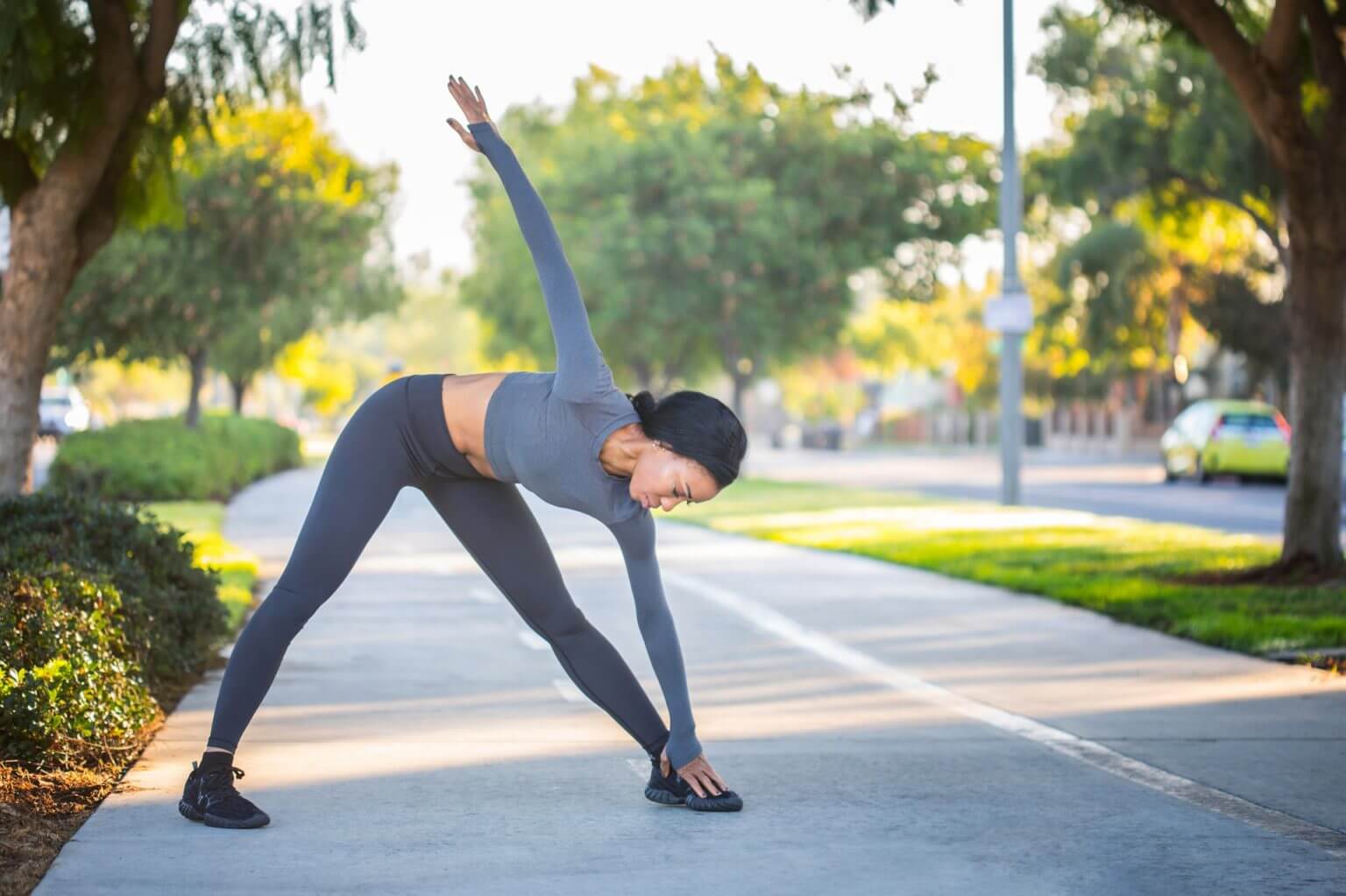
Before training, favor dynamic mobility that raises temperature, rehearses positions, and turns on neural priming. Begin with brisk marching, arm swings, and leg swings—front-to-back and side-to-side—to groove range of motion without lingering holds. Flow into walking lunges with rotation to integrate hips and thoracic spine; keep the knee tracking over the mid-foot and rotate from the ribs. Add inchworms or walkouts to mobilize hamstrings and shoulders while reinforcing a stable core. The classic world's greatest stretch ties it together: deep lunge, elbow to instep, rotate to the ceiling, then switch sides. Sprinkle in activation: mini-band lateral steps, glute bridges, and scapular retractions to wake stabilizers that protect joints under load. Progress the amplitude gradually—small ranges first, then bigger arcs as tissues warm. Aim for crisp, controlled reps rather than sloppy flailing. You'll enter your workout feeling springy, coordinated, and ready to express strength with better positions and less risk.
Evening Wind-Down and Recovery
At day's end, shift to slower static holds and soothing breath to invite the parasympathetic state. Set a mellow pace with child's pose, supine twist, and a gentle seated fold, letting each exhale melt you deeper without forcing. Open the hips with a supported figure-four or a couch-style hip flexor stretch; add light PNF (contract-relax) if you're comfortable, engaging gently for a few seconds before releasing into new space. Ankles and calves appreciate a longer hold, while the neck benefits from careful side bends with shoulders relaxed. If you enjoy tools, try soft self-massage with a foam roller or ball along calves, quads, and upper back—move slowly, breathe, and avoid bony spots. Dim lights, extend exhalations, and un-clench the tongue and jaw to amplify relaxation. Consistency beats intensity: a calm ritual supports recovery, eases residual tension from training or desk work, and can improve sleep quality, so you wake restored and ready to move well tomorrow.