Mind-Body Fitness: How to Blend Yoga and Strength Training
Blend yoga and strength training to gain power, mobility, and focus. Use smart templates, pose-lift pairings, and recovery for results.
Integrated Purpose: Blending yoga and strength training creates a holistic approach that sharpens the mind-body connection while building durable strength. Instead of choosing between flexibility and power, you train both systems to support better mobility, stability, and endurance. Yoga refines proprioception, teaches breath control, and improves joint range of motion, which helps you lift more efficiently and reduce unnecessary strain. Strength work provides muscular balance and bone-loading stimulus, reinforcing resilient tissues that make ambitious poses and flows feel safer and more accessible. This synergy improves posture, enhances balance, and makes everyday movement more graceful. You also gain mental benefits: moving with intention fosters focus, stress regulation, and a grounded presence under physical load. Whether you are an avid lifter seeking fluidity or a devoted yogi craving structural support, the hybrid path promotes injury prevention and longevity. Think of yoga as the practice that teaches you how to feel, and strength training as the practice that teaches you how to apply that feeling under purposeful resistance.
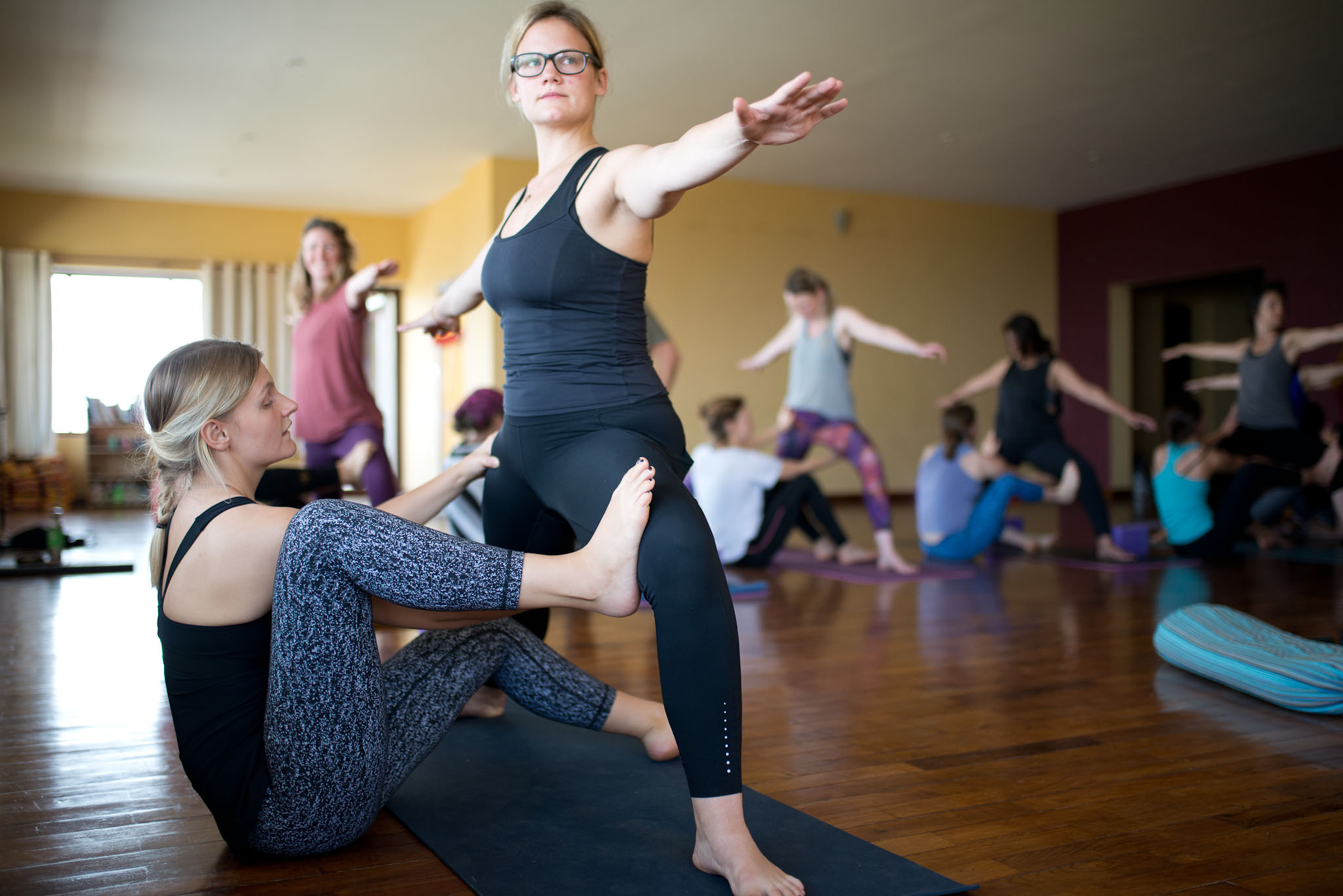
Breath-Led Mechanics: Mastering breathwork and alignment is the bridge between yoga and lifting. Begin with diaphragmatic breathing to expand the rib cage and create steady intra-abdominal pressure. When you brace effectively, you protect a neutral spine during squats, hinges, and overhead work. Yoga's focus on drishti and bandhas sharpens attention to core engagement, while cues like rooting the feet, spreading the toes, and lengthening through the crown translate directly to improved stacking of joints in lifts. Learn to alternate states: create deliberate tension for heavy movements, then practice relaxation and length in poses to restore tissues. Prioritize scapular control with retraction, depression, and upward rotation to support pressing patterns. Use eccentric control in slow flows to teach tempo that carries into time under tension with weights. By linking breath to movement, you move from reactive to intentional, turning each rep or pose into a precise, self-correcting skill practice.
Smart Sequencing: Organize training so that yoga and lifting complement rather than compete. Start sessions with a dynamic warm-up and light mobility to prepare joints, then perform compound lifts while you are freshest. Follow with a focused yoga flow as a cooldown to restore length and reinforce motor patterns learned under load. Another effective strategy is alternating strength-emphasis and mobility-emphasis days, keeping total weekly volume appropriate for recovery. Aim for clear intent per session: heavy hinge and pull work with hip-opening flows; squat and press sessions paired with thoracic and ankle mobility; or upper-lower splits bracketed by short breath-led sequences. Keep intensity in check using RPE or reps in reserve, and adjust sets when energy dips. Reserve inversions and deep end-range holds for days with lighter lifting to prevent fatigue-based compensations. Treat yoga as both preparation and integration: it primes your system for efficient movement and then helps you assimilate new strength adaptations without stiffening or overload.
Synergistic Pairings: Combine movements that speak the same language. Pair a deadlift pattern with half splits and lizard lunge to prep the hamstrings and hip flexors. Match a front squat with chair pose and ankle dorsiflexion drills to groove upright posture. Blend horizontal pressing with downward dog and thread the needle to mobilize shoulders and thoracic spine. Support pulling patterns with locust and sphinx to strengthen spinal extensors. For overhead press, include warrior I or crescent lunge to teach rib-down stability and pelvic alignment. Between strength sets, use brief isometric holds like plank or boat pose to reinforce core endurance without excessive fatigue. Keep the purpose tight: mobility that unlocks range before the lift, and gentle flows that consolidate coordination afterward. Use tempo contrasts, such as slow eccentric goblet squats followed by fluid hip openers, to build control. This targeted cross-talk ensures every pose or drill directly improves leverage, positioning, and confidence under load.
Measured Progress: Track both hard and soft metrics to sustain growth. In the gym, apply progressive overload with careful jumps in load, volume, or tempo. Explore time under tension by slowing eccentrics or pausing in the most mechanically challenging positions. On the mat, monitor improvements in range of motion, smoother transitions, and longer balance holds without strain. Use autoregulation: if strength feels capped, shift to technique-focused sets and a mobility-rich flow; if mobility is limited, prioritize joint preparation and lighter skill practice. Every few weeks, consider a modest deload to recharge the nervous system and consolidate gains. Log sessions using simple markers like RPE, number of quality reps, or stable breath count during demanding poses. Celebrate subtle wins: a cleaner hip hinge, quieter shoulders in chaturanga, or steadier breath in deep squats. Progress here is multidimensional; by measuring what you feel and what you lift, you create a reliable loop of feedback and adaptation.
Restore to Perform: Recovery is the quiet engine of your hybrid practice. Use restorative yoga, gentle yin elements, or breathwork such as box or nasal breathing to activate the parasympathetic response after intense sessions. Prioritize sleep quality, and support tissue repair with consistent protein intake, colorful produce, and adequate electrolytes. Light myofascial release and rhythmic mobility flows help circulation without adding fatigue. Hydrate steadily and schedule short movement snacks on rest days, like a five-minute spine wave or hip capsule routine, to keep joints nourished. Pay attention to signals such as persistent tightness, irritability, or stalled performance, and adjust volume before issues escalate. If energy is low, swap a heavy session for a technique circuit followed by a calming flow. Think of recovery as training you can feel immediately: you leave the mat or the rack with your nervous system soothed, posture refreshed, and readiness quietly rising for the next challenge.
Sustainable Mindset: Consistency beats intensity when building mind-body fitness. Anchor your routine with habit stacking: roll into a brief breath and mobility primer before lifting, or close every strength session with a short flow to downshift. Set process-oriented goals like improving technique, deepening alignment, or maintaining even breath across challenging sets. Adopt self-compassion on days when life compresses your window; a concise practice done well still builds momentum. Keep curiosity alive by exploring pose variations, grip widths, and stance adjustments to find what resonates with your structure. Use simple journaling to note cues that unlock a lift or a pose. Prioritize safety and autonomy: pain is information, not a command to push harder. Choose scalable progressions and remember that long-term consistency yields profound change. Ultimately, blending yoga and strength transforms training into a dialogue with your body—steady, adaptable, and aligned with the way you want to move and feel every day.