Mastering the Farmers Market: Fresh Finds and Buying Tips
Make the most of your farmers market trip with smart timing, savvy selection, and storage tips for peak flavor, less waste, and better value.
Start Smart: Farmers markets reward a little preparation. Begin with a flexible plan that highlights a few must-haves while leaving space for pleasant surprises. Bring reusable bags, a small cooler with ice packs, and plenty of cash in small bills to keep lines moving. Eat a light snack so you shop with your senses, not your appetite. Arriving early offers the best selection and a calm pace; arriving near closing can yield discounts on items that need to move. Check the market's posted map or board to locate new vendors, specialty growers, and prepared-food stands that can fuel your trip. Note weather conditions, since heat and rain can affect availability and quality. Draft a shopping list centered on seasonality, then add versatile staples like onions, herbs, and greens that work across multiple meals. Keep notes on what you loved, what sold out quickly, and which stands excel at particular items to refine your plan for next time.
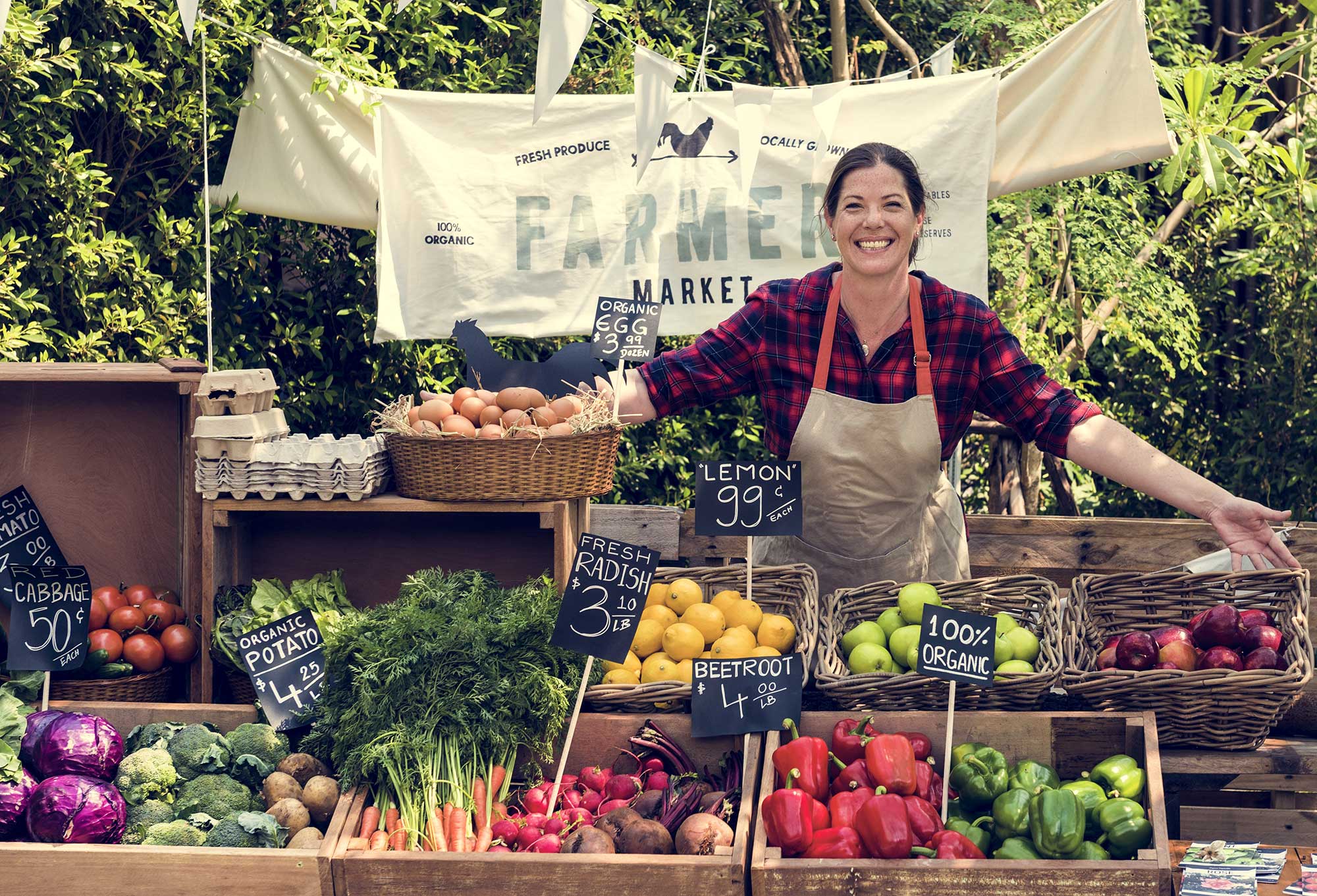
Scout and Connect: Take a full lap before buying. This simple habit lets you compare quality, prices, and variety, and it helps you spot limited treasures like the first asparagus or a rare heirloom melon. Lines can signal popularity, but inspect produce closely for freshness and handling. Start conversations with growers; ask about growing practices such as organic methods, no-spray approaches, soil health, and harvest timing. Taste samples politely when offered, noting flavor, texture, and aroma, and ask for suggestions on how to use unfamiliar items. Build relationships by returning to vendors who value transparency and quality. They will often share cooking tips, storage advice, and heads-up on upcoming crops. Inquire about bulk options, a seconds bin for canning, or pre-order possibilities for high-demand goods. Friendly rapport can lead to better picks and insider knowledge, turning each visit into an educational, community-driven experience that elevates your weekly food and groceries routine.
Read the Seasons: Mastering seasonality is the key to peak flavor and better value. Think in waves: tender greens, peas, and radishes arrive with cool weather; strawberries and young carrots bridge into longer, brighter days; tomatoes, corn, peppers, and stone fruit peak with warmth; brassicas, roots, and hardy greens dominate as temperatures dip. Lean into varietal diversity to expand your palate: try multiple tomato types for sauces and salads, or compare crisp apples by sweetness and crunch. Ask about harvest dates to ensure maximum freshness, and buy items at their prime for simple, showstopping meals. Consider preserving when a crop is abundant, whether through quick pickles, freezing, or small-batch jam. Embrace shoulder seasons for bargains and creativity, pairing late harvest squash with the last herbs or mixing early citrus with winter greens. The seasonal rhythm not only tastes better, it supports local resilience, shortens food miles, and helps you cook food that naturally fits the moment.
Judge Freshness Like a Pro: Use your senses to spot top-tier produce. Look for vibrant color, crisp edges, and lively leaves; avoid limp greens or bruised fruit. Heft is a clue to juiciness, so choose heavier citrus, melons, and tomatoes. Seek a gentle aroma near the stem on peaches, melons, and tomatoes, and a clean, earthy scent on carrots and beets. Check stems and tops for vitality, since perky greens signal recent harvest. For ripeness, gently press fruit for slight give without mushiness; stone fruit and avocados often need a day or two on the counter to finish. For eggs, ask about collection timing and storage; for bread, look for a resilient crumb and crisp crust. With herbs, vibrant color and perky stems signal life; avoid yellowing. When in doubt, ask the vendor how to tell peak readiness for a particular variety, and request the right stage for your use, whether immediate snacking or weekend cooking.
Stretch Your Budget: Smart strategy transforms markets into excellent value. Compare across stalls, weighing price against freshness and flavor. Calculate edible yield: a slightly higher price on tender kale that needs less trimming may be the real bargain. Buy in bulk when the crop is flush, then split with a friend or preserve for later. Seek out seconds or cosmetically imperfect produce for sauces, soups, and baking. Prioritize seasonal stars that anchor multiple meals, such as a basket of tomatoes that powers salsa, salad, and a quick pasta. Ask about bundle pricing for herbs or mixed greens. Near closing, vendors may discount perishable items; be polite and respectful if inquiring, and recognize fair labor and quality. Bring exact change to speed transactions, and invest in staples that elevate simple dishes, like high-quality eggs or fragrant herbs. With a flexible plan and a keen eye, you can build a generous, nourishing haul without straining your budget.
Store Like a Chef: Great shopping deserves great storage. Keep ethylene-sensitive items like leafy greens away from producers such as apples and tomatoes. Use crisper drawers wisely: high humidity for greens and herbs, low for most fruits. Wrap herbs in a damp towel or stand them in a jar of water in the fridge; treat asparagus the same way and cover loosely. Store mushrooms in paper, not plastic, to prevent sogginess. Keep tomatoes on the counter, potatoes in a cool dark place, and onions well ventilated and separate from potatoes. Rinse berries in a mild vinegar bath, dry thoroughly, and refrigerate unstacked to reduce spoilage. Trim and rehydrate wilted greens in cold water, then spin dry before chilling. Blanch and freeze beans, greens, and corn for later; try quick pickles for radishes and cucumbers. Label and date containers, rotate older items forward, and set a midweek batch prep session to wash, chop, and portion for effortless meals.
Cook Simply and Shine: Fresh market goods thrive with minimal technique. Let produce lead: roast carrots with olive oil and salt until sweet, char peppers for smoky depth, or grill zucchini for tender bite. Celebrate pairings like tomatoes with basil, corn with lime and chili, or berries with yogurt and mint. Build flexible frameworks such as grain bowls, frittatas, and big salads that adapt to whatever is best that day. Transform herbs into pesto or chimichurri, stir compound butter for steaks and veggies, and finish dishes with citrus zest for lift. Batch-cook beans or grains to anchor multiple meals, then layer in changing market finds for variety. Keep textures in mind—crunch from radishes, creaminess from avocado, juiciness from ripe peaches—to balance plates. With a little meal prep, weekday cooking becomes fast and joyful, letting peak flavor shine without complicated steps or long ingredient lists.
Shop With Purpose: Farmers markets connect you to sustainability and community. Your purchases support the local economy, encourage diverse plantings, and keep farmland active. Short food miles mean fresher taste and a smaller footprint. Bring containers for berries and greens, return clean egg cartons when welcomed, and opt for minimal packaging to lean into zero waste. Ask about soil health, water stewardship, and biodiversity to understand how your food is grown. Buy what you can use, then compost scraps or make stock to close the loop. Share feedback and gratitude; respectful relationships strengthen the market for everyone. Explore pantry add-ons like honey, grains, and ferments to round out your groceries with items that keep well. When you align habits—planning, curiosity, care—with values, every market visit becomes an act of nourishment for your table and your town, reinforcing a food system that tastes good and does good.