Local Love: Hyperlocal Communities Redefine Influence
As global feeds fragment, hyperlocal communities emerge as trusted tastemakers—reshaping influence, marketing, and civic life block by block.
Neighborhood Trust Takes Center Stage
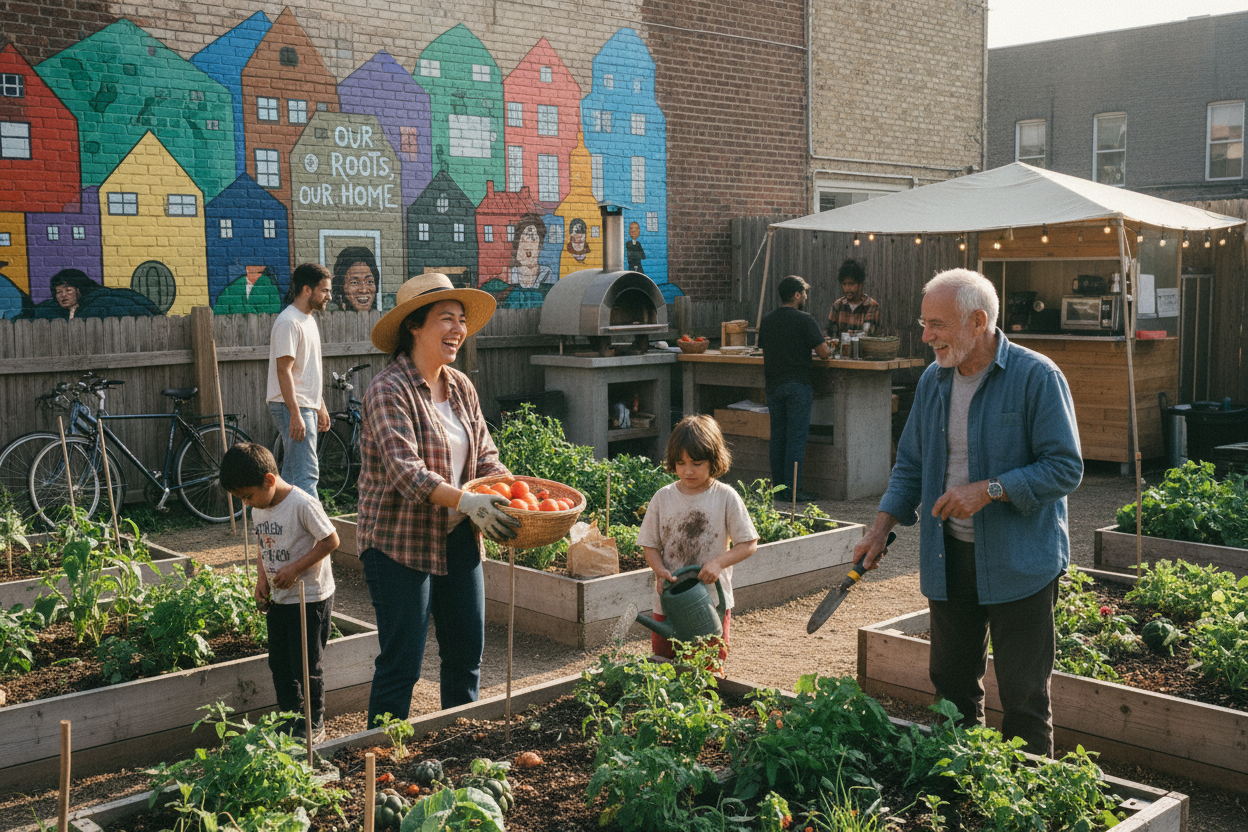
As mass followings flatten, the influence that turns attention into action is rediscovering its smallest unit: the neighborhood. Hyperlocal communities are redefining what it means to be influential by prioritizing trust, proximity, and shared context over celebrity scale. This trend thrives where everyday life happens: the school drop-off line, the park bench, the community board, and the inboxes of neighbors who actually see each other. Digital word of mouth accelerates what used to be slow and serendipitous, translating block-by-block recommendations into measurable momentum. People value relevance more than reach, and they respond to voices that understand bus routes, seasonal rhythms, and vendor quirks. The local dog walker, librarian, or youth coach becomes a micro-influencer whose guidance feels earned, not engineered. For marketers and makers, winning here is less about volume and more about resonance. The message is clear: respect the map, learn the dialect, and serve the needs of a radius you can walk, not just target from afar.
The Digital Infrastructure of Proximity
A quiet technology stack now powers this shift toward hyperlocal influence. Think neighborhood forums, private messaging circles, map-based discovery, and geo-targeting tools that avoid the creepiness of oversurveillance by focusing on consent and utility. Community platforms blend bulletin-board simplicity with lightweight verification, enabling local leaders to surface trustworthy updates, urgent alerts, and offers with real utility. Search behaviors are changing too: residents ask neighbors first, then engines. Algorithms increasingly reward authenticity, topical expertise, and proof of real-world relevance, making space for local voices that post consistently and respond quickly. Meanwhile, small businesses and civic groups are building micro-newsletters and text lists that feel personal rather than promotional. The result is an ecosystem that is low-friction, high-signal, and tuned to context. For budget-conscious teams, this is also cost efficiency in motion: smaller audiences with denser ties convert better, provide clearer feedback, and sustain healthier long-term relationships than broad, indifferent crowds.
Playbooks for Brand and Community Collaboration
Winning with hyperlocal audiences starts with co-creation, not interruption. Brands that thrive here partner with neighborhood organizers, resident creators, and local ambassadors to design offers, events, and stories that feel native. Instead of a one-size-fits-all campaign, they assemble modular narratives: a farmer spotlight for the morning market, a workshop with the repair cafe, a youth art showcase after school. This is mutual value at work—community needs met with practical resources, while brands earn social proof by showing up consistently. Successful playbooks include transparent compensation for creators, easy-to-share toolkits, and flexible creative guidelines that uphold authenticity over polish. Pop-up demos become micro-festivals when hosted by trusted stewards. Sampling evolves into co-branded care packages curated by block captains. Even product feedback sprints feel different when conducted around picnic tables with neighbors who know the potholes and the priorities. Transparency, frequency, and humility win attention; attempts to over-brand or extract without giving back are quickly noticed and gently, but firmly, rejected.
Measuring Depth Over Width
In hyperlocal influence, the scoreboard changes. Instead of applauding raw reach, teams prioritize depth of engagement: saves, replies, neighborhood shares, and RSVP-to-show rates. Offline behavior becomes the gold standard—foot traffic lift, dwell time around community activations, and repeat attendance at small gatherings. Loyalty is observed through return visits, not just punch cards; incrementality is proven by comparing participating blocks to lookalike areas. Lightweight first-party data, gathered with explicit consent, helps teams personalize without intruding. Privacy is a feature, not an afterthought, so metrics favor aggregated patterns over invasive profiles. Think small data: qualitative notes from organizers, sentiment snapshots from post-event surveys, and channel health indicators like message response times. Experiments run as neighborhood cohorts, producing cleaner readouts than splashy, short-lived blasts. Reporting evolves too: dashboards track community health—new volunteer signups, creator pipeline growth, and cross-merchant referrals—because the real ROI of proximity is a durable, self-reinforcing network that can be activated again and again.
Story Formats That Thrive on the Block
The best hyperlocal content looks like life. User-generated content leads, with neighbors narrating street-level moments that feel specific yet relatable. Short-form video tours of fresh menu items, before-and-after clips of a revitalized stoop, and maker walkthroughs of craft techniques bring texture. Photo carousels document park cleanups and mutual aid drives; live streams cover ribbon cuttings and pickup leagues. Guides and checklists—what to know before the weekend market, transit-friendly date ideas, hidden-gem breakfast routes—become evergreen resources. Experimental layers add delight: tactile soundscapes from the plaza, AR hints for scavenger hunts, or recipe cards featuring ingredients from nearby vendors. Curation matters as much as creation; highlight reels that credit neighbors, organizers, and small business owners reinforce gratitude and authenticity. A simple rule of thumb: make content portable across chats and boards, legible on small screens, and immediately useful. When stories prompt a stroll, a purchase, or a conversation at the crosswalk, you have created influence where it counts.
What Comes Next for Hyperlocal Influence
The trajectory points toward stewardship: communities setting the terms of engagement while partners support with resources, skills, and tools. Expect more shared governance models, creator cooperatives, and neighborhood funds that reward consistent contributions. Inclusivity becomes non-negotiable—accessible venues, multilingual materials, and fair access to opportunities keep the flywheel ethical and strong. As platforms shift, resilient networks will prioritize portability of lists, templates, and playbooks so that no single tool holds the keys. Forward-looking teams will invest in resilience, from emergency communications protocols to volunteer mobilization scripts, proving their value in both everyday and urgent moments. Sustainability also rises, with local circularity efforts and waste-aware activations gaining traction. For practitioners, the roadmap is clear: listen first, map real needs, seed small pilots, measure honestly, and scale what neighbors invite you to scale. Hyperlocal is not a niche—it is the modern center of gravity, where relevance, relationships, and results finally meet.