How to Read Food Labels Like a Pro at the Supermarket
Master supermarket labels in minutes: decode serving sizes, %DV, sugars, fats, and ingredients so you can compare products fast and shop smarter.
Master the Serving Size First
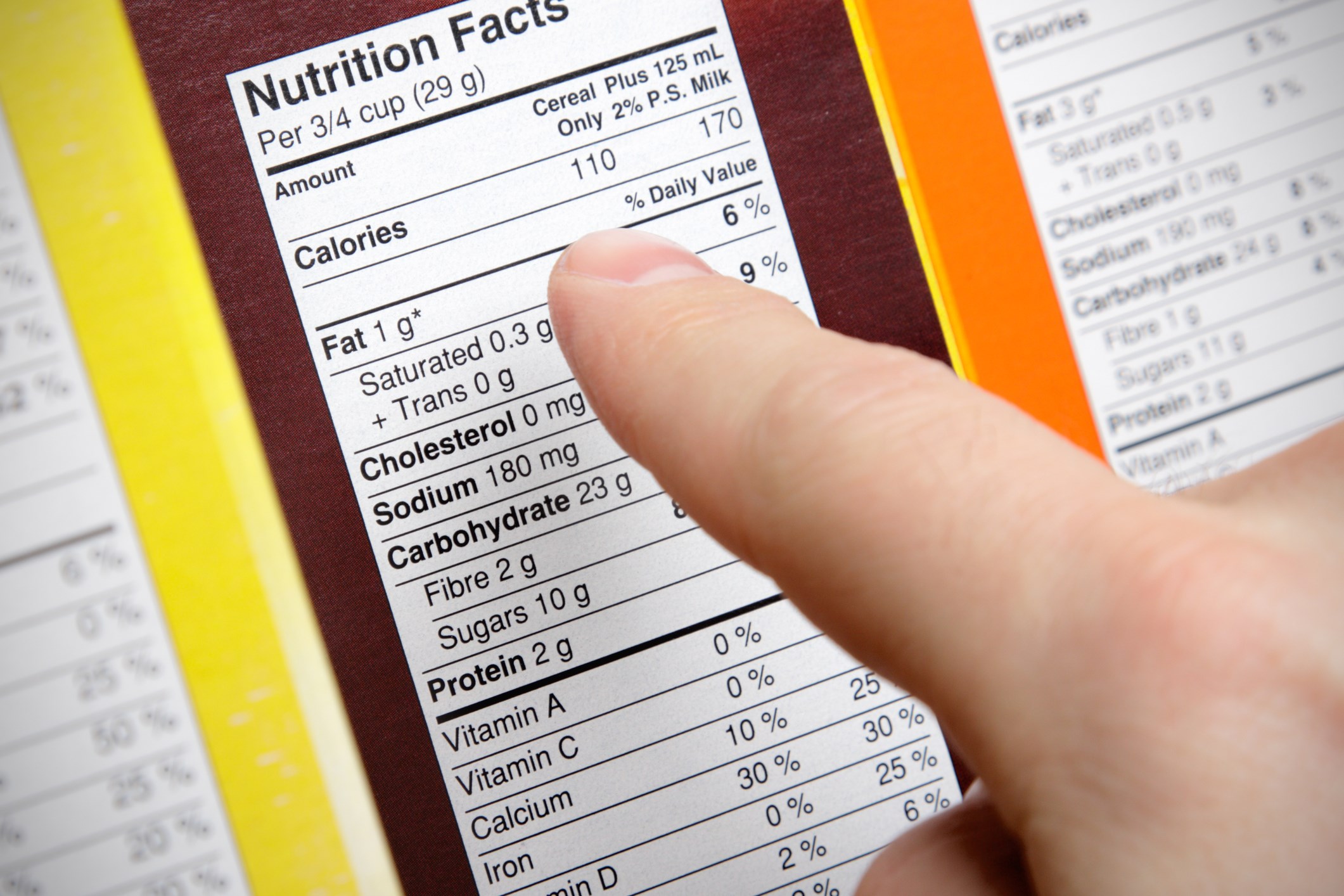
Start every label check by locating the Serving Size and the Servings Per Container. This sets the stage for everything that follows. If the serving size is half a cup and you typically eat a full cup, you must multiply calories and nutrients by two. This small step prevents surprises, especially with snacks, cereals, and beverages where portions creep up effortlessly. Next, look at the % Daily Value (DV) to gauge whether a nutrient is low or high in a serving; as a quick rule of thumb, around 5% DV is considered low, while around 20% DV is high. If the label offers a per 100 g or 100 ml panel, use it to compare brands fairly, since serving sizes vary wildly. Be mindful that tiny packages may hide multiple servings, and family-sized items may encourage oversized portions. By leading with serving size, you turn the label into a tool for accurate comparisons, realistic intake, and better portion awareness.
Read the Ingredient List Like a Detective
After portions, dive into the Ingredient List, which is ordered by weight. When whole foods lead—such as whole oats or tomatoes—you're usually on the right track. Scan for added sugar under many names: cane sugar, dextrose, fructose, brown rice syrup, honey, or fruit juice concentrate. Multiple sweeteners sprinkled throughout the list can inflate total Added Sugars without appearing first. Evaluate fats: skip items with partially hydrogenated oils (a red flag for industrial trans fats), and prefer products using unsaturated oils like olive or high-oleic varieties. Keep an eye on sodium-heavy additives such as monosodium glutamate or sodium phosphates. If allergens matter, review the ‘contains' or ‘may contain' statements for milk, eggs, soy, wheat, peanuts, tree nuts, fish, shellfish, or sesame. Shorter lists often signal fewer additives, but context matters—some long names are simply vitamins or functional ingredients. Read with curiosity: a ‘strawberry' cereal without real strawberries tells you everything you need to know.
Prioritize and Limit Key Nutrients
Now weigh nutrients to limit against nutrients to prioritize. Aim lower on Sodium, Saturated Fat, and Added Sugars, and avoid Trans Fat altogether. For balance and satiety, look for higher Fiber and Protein per serving. Many shoppers find a cereal with at least a few grams of fiber per serving and modest added sugars hits a practical sweet spot. For sweet foods, the Added Sugars line clarifies how much is introduced beyond what's naturally present in fruit or dairy. In dairy products, consider the calcium and protein benefits while comparing sugar levels across brands; with sauces or condiments, sodium can climb quickly, so scan the % DV. Choose unsaturated fats—from nuts, seeds, or olive oil—over heavy saturated sources where possible. When comparing items, a per 100 g/100 ml view makes decisions more objective. Over time, you'll recognize patterns: balanced options typically pair fiber, protein, and moderate sugars with a reasonable calorie density, keeping meals satisfying yet mindful.
Decode Marketing Claims and Buzzwords
Front-of-pack claims are designed to grab attention, so match them against the Nutrition Facts and Ingredient List. A product labeled 'light' or 'reduced' is relative to a reference product, not an absolute health guarantee. 'Multigrain' doesn't mean whole grain—look for whole grain as the first ingredient. 'No added sugar' can still deliver significant total sugars from fruit concentrates. Terms like ‘natural' or ‘organic' speak to sourcing and processing, not necessarily lower sodium, sugar, or calories. 'Gluten-free' or diet buzzwords like 'keto' signal formulation, not universal health benefits. Be skeptical of portion visuals and the tiny 'serving suggestion' note—portion sizes on plates or in photos can be larger than label servings. When health halos appear, return to the back: confirm Added Sugars, Saturated Fat, Sodium, and Fiber. Let the hard numbers, not the buzzwords, dictate your cart. With practice, you'll spot claims that align with your goals and ignore those that merely decorate the box.
Compare, Choose, and Build a Smart Cart
Put it all together with a quick routine: check Serving Size, scan Calories, assess Sodium, Added Sugars, and Saturated Fat, then confirm Fiber and Protein. For a fair side-by-side across brands, use per 100 g/100 ml stats and consider unit pricing to balance nutrition and budget. Make default picks: bread with a whole grain first ingredient; yogurt that's unsweetened (add fruit or cinnamon for flavor); canned beans labeled low-sodium and rinsed; sauces chosen for lower sodium and lower added sugar. For frozen meals, prioritize fiber, protein, and moderate sodium per serving. Keep a personal shortlist of go-to items to reduce decision fatigue. If you want a treat, choose quality over quantity—a smaller portion you truly enjoy. Compare store brands; many meet or beat name-brand nutrition. Most importantly, shop your plan: build around staples, add produce color, and use labels to fine-tune choices rather than chase perfection. Consistency always beats complexity in the long run.