Home Gym Essentials: Build a Workout Space on Any Budget
Turn any corner into a powerful home gym. Learn essential gear, smart layouts, and budget-friendly upgrades for effective workouts at home.
Start With Space and Purpose
Before you buy a single dumbbell, audit your space and define your purpose. Measure floor area, ceiling height, and door clearances, then map traffic paths so workouts never collide with everyday living. Identify your primary goals—strength, mobility, conditioning, or a balanced mix—and let them drive layout. Create simple zoning: a clear rectangle for dynamic moves, a wall for anchored tools, and a corner for recovery. Prioritize ventilation and lighting; fresh airflow and bright, even light sharpen focus and reduce fatigue. Keep safety non‑negotiable with stable footing, unobstructed exits, and secure anchors for any door or wall‑mounted gear. Plan storage early, favoring vertical solutions like hooks, shelves, and bins to keep floors open and reduce tripping hazards. Sketch the arrangement on paper, noting where mats, bands, and weights will live when not in use. A thoughtful plan prevents clutter creep, protects equipment, and ensures your home gym feels welcoming, efficient, and ready the moment motivation strikes.
Budget-Friendly Basics
A powerful home gym can start with bodyweight training and a few low‑cost tools. A grippy yoga mat defines your training zone and cushions wrists, knees, and spine. Resistance bands add scalable load for rows, presses, pulls, and assisted mobility; a simple door anchor unlocks dozens of angles without drilling. A jump rope delivers quick conditioning and footwork practice in minimal space. Household hacks stretch your budget: filled water bottles double as light dumbbells, a sturdy backpack loaded with books becomes a weighted vest, and towel sliders turn any smooth floor into a core and hamstring machine. Pair movements into circuits—for example, squats, push‑ups, rows, and planks—cycling for time with short rests. Use a basic timer to structure intervals and track progression by reps, sets, or total work completed. With creativity and consistency, these essentials cover strength, mobility, and cardio, proving that smart programming beats expensive gear when funds are tight.
Smart Mid-Range Upgrades
When you're ready to invest a bit more, choose versatile tools that multiply exercise options. Adjustable dumbbells or a compact kettlebell set unlock presses, rows, squats, hinges, and loaded carries without crowding your floor. A doorway pull‑up bar supports pull‑ups, hangs, and core raises; add a light band for assistance. A stable flat bench or sturdy box expands your range with step‑ups, hip thrusts, and incline presses. A suspension trainer anchors overhead and trains the entire body with scalable leverage, ideal for small spaces. Round it out with mini bands for glute activation and a foam roller for recovery. Prioritize multi‑use, space‑saving equipment over single‑purpose machines. Shop by function: can the item train push, pull, squat, hinge, and carry patterns? Does it store vertically? Is it quiet and floor‑friendly? These criteria keep your setup nimble, adaptable, and ready for progressive overload without overwhelming your room or your budget.
Maximize Comfort, Safety, and Space
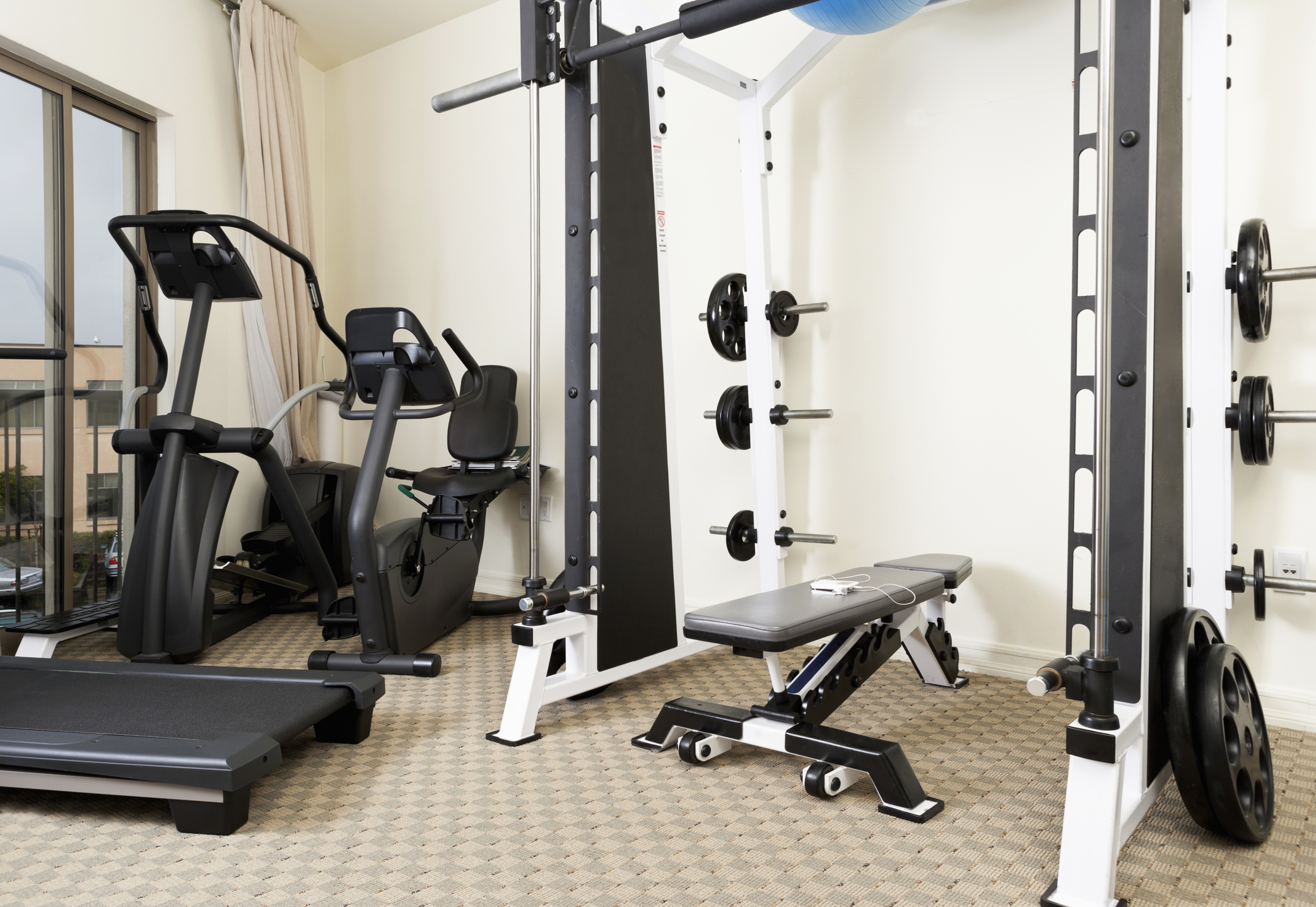
Thoughtful environment upgrades elevate performance and protect your home. Interlocking rubber flooring or dense mats add traction, shock absorption, and noise control, safeguarding joints and neighbors alike. Use wall hooks, pegboards, or shelves to store bands, jump ropes, and accessories at eye level, keeping floors clear. A compact rack or vertical tree organizes weights, improving access and reducing toe‑stubs. Install a simple mirror to monitor form and align posture; pair it with a quiet fan or open window for airflow. Manage noise by placing mats under contact points and choosing bumper‑friendly zones for heavier work. Label bins for mobility tools, cleaning wipes, and small parts, making cleanup automatic. Keep pathways wide, anchors secure, and cables untangled to prevent snags. The result is a calm, efficient training zone where transitions are seamless, motivation stays high, and your equipment lasts longer thanks to better organization and protective surfaces.
Programming, Progress, and Consistency
Great equipment matters less than great programming. Build around movement patterns—push, pull, squat, hinge, lunge, and core—to cover the whole body in two to four sessions per week. Start each workout with mobility and activation, then choose a main lift or circuit, finishing with brief conditioning. Apply progressive overload by nudging reps, sets, tempo, or resistance upward in small steps. Log sessions in a notebook, noting exercises, loads, and how you felt. Set mini milestones—first strict push‑up, deeper squat, longer plank—to keep momentum. Schedule training like appointments, and use habit cues such as laying out your mat the night before. Prioritize recovery with sleep, hydration, and gentle movement on off days. Maintain your gym with a quick weekly reset: wipe surfaces, coil bands, check anchors, and clear the floor. Consistent, sustainable systems turn a modest setup into a reliable engine for long‑term fitness.