Dance Fever: Moves, Mood, and the Joy of Movement
From kitchen grooves to studio steps, discover how dance boosts mood, builds community, and turns everyday movement into pure, contagious joy.
Spark of the Beat. The first thump of a drum, the shimmer of a melody, and suddenly the body wakes up to rhythm. Dance begins as a simple impulse, a smile that starts in the chest and spills into movement. In the world of entertainment, it is the moment a room shifts from watching to participating, from stillness to shared electricity. You do not need a stage to feel it; the floor under your feet is invitation enough. Whether you sway, tap, or launch into a full groove, the body translates sound into shape, timing, and texture. That translation becomes a playful puzzle: where to place weight, how to carve space, when to pause. The result is joy with momentum, a quiet confidence that builds as each beat clicks into place. In that instant, you are both audience and artist, experiencing music, motion, and mood forming a single, thrilling loop.
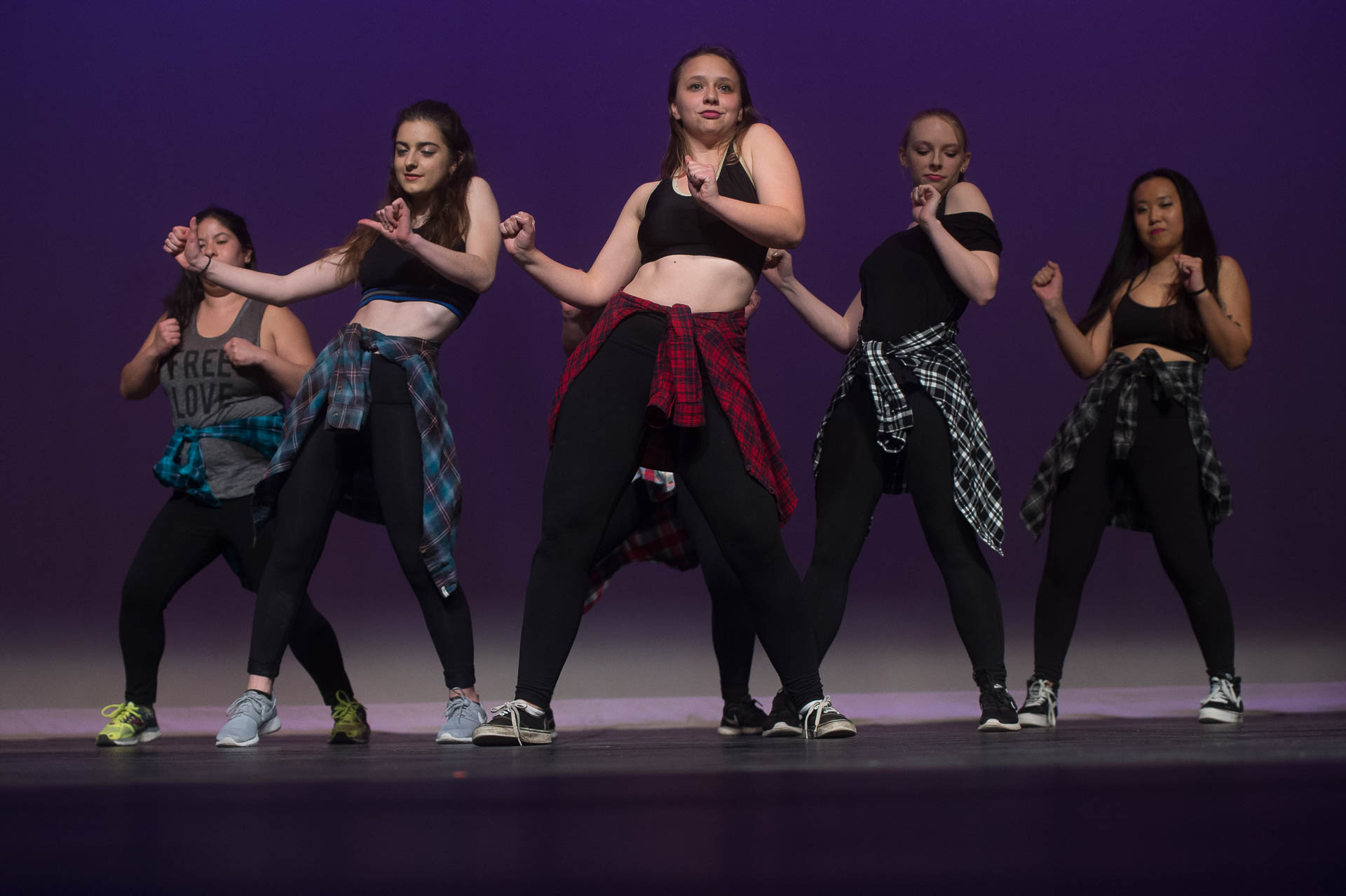
From Steps to Stories. A step is a syllable, and combinations become sentences; dance is storytelling without words. Each choice of angle, level, and speed paints a mood, turning technique into narrative. A gentle reach becomes longing; a sharp pop announces attention; a spiral hints at discovery. Choreography strings these hints into a coherent arc, guiding viewers through beats of tension, release, and resolution. Even social dances, which feel spontaneous, rely on a shared vocabulary of patterns, cues, and partnering. That vocabulary lets two people converse through weight shifts and turns, echoing questions and replies. Meanwhile, solos reveal inner weather: the flicker in a wrist, the grounded stomp, the sudden stillness that makes breath audible. When you practice, you are also rehearsing how to say more with less. The reward is clarity; your body can whisper, shout, and joke with equal precision, proving that expression is as teachable as any step.
Mood on the Move. Few activities change the atmosphere of a room as quickly as dance. Movement invites confidence, disarms stress, and turns scattered thoughts into a flow state. Counting steps steadies the mind, while repetition creates a rhythm that quiets internal noise. Group energy amplifies this calm: when bodies sync to a beat, the sense of belonging grows, and hesitation fades. Even modest practice encourages better posture, fuller breathing, and that lifted, ready-for-anything stance that lingers long after the song ends. There is power in small rituals too: lacing shoes, warming joints, and snapping into focus with the first bass pulse. These habits create an anchor on tough days and an amplifier on good ones. As your ear tunes to accents and syncopation, your feelings find clear outlets: a playful combo for celebration, a liquid sequence for reflection, a driving groove for determination. In motion, mood becomes malleable, and joy becomes a habit you can train.
Learning the Moves. Start simple: feel the downbeat, mark the counts, and practice clean weight transfer. The goal is reliable fundamentals, not flashy tricks. Stand tall with soft knees, find your center, and let your core guide direction changes. Build in layers: first timing, then footwork, then arms, then style. Use small loops of practice, repeating eight counts until they feel automatic. Precision grows from clarity; name what you are doing, like angle, pathway, and isolation. Record short sessions to spot habits, then refine. Warm up major joints, especially ankles, hips, and shoulders, and end with a few minutes of mobility so tomorrow's body thanks today's choices. Curate a few playlists that vary in tempo and texture, training quick reactions and controlled melts. Most of all, embrace mistakes as data, not verdicts. Every wobble reveals where to focus next. With patience, drills turn into musicality, and musicality turns into movement that feels unmistakably yours.
Styles Without Borders. Dance is a map drawn by feet, and its lines cross freely. One day you may sharpen accents with hip-hop grooves; another, you might refine long lines inspired by ballet or discover grounded circles that echo folk traditions. Ballroom brings partnership mechanics and elegant frame; contemporary explores weight, spirals, and release; salsa and related rhythms teach connection, lead-follow elasticity, and rhythmic play. Each style offers tools: isolation, turns, floorwork, traveling steps, and expressive hands. Cross-training broadens your palette, letting you color a routine with unexpected shades. It also deepens respect for cultures and communities that nurture these forms. Moving between genres builds adaptive technique, reminding you that good posture, clear timing, and respectful etiquette travel well. You do not have to master everything; sampling is enough to spark creativity. When styles meet, new fusions form, and your dancing becomes a personal signature that honors roots while chasing fresh ideas.
Improvisation and Freedom. Improvisation turns listening into action. Instead of preplanned steps, you explore textures: soft versus staccato, heavy versus buoyant, close versus expansive. Map the music's architecture, noticing verses, breaks, and crescendos; respond with dynamics that highlight each change. Use levels to shift energy: floorwork for intimacy, mid-level for conversation, high reaches for triumph. Try constraint games to boost creativity, like moving only in circles, traveling only backward, or leading with elbows. These playful rules force surprising pathways and teach efficient choices. Focus on musicality by hitting accents with a shoulder pop or floating across sustained notes. Leave space for silence too; pauses make movement legible and amplify intention. Film one-minute freestyles to capture honest instincts, then harvest favorite moments for choreography. Over time, improvisation becomes trust: you trust the beat, your training, and your taste. That trust reads as freedom, and freedom reads as joy.
The Social Spark. Dancing together turns entertainment into community. In partner and group settings, steps become a friendly dialogue built on consent, clear signals, and shared timing. A good leader proposes, a good follower contributes, and both prioritize comfort over complexity. Eye contact, frame, and gentle pressure speak volumes; so do smiles that say yes to the next turn. Social floors welcome all skill levels, where welcoming etiquette matters more than perfect technique. Rotate partners, thank each other, and keep the space safe by managing momentum and awareness. Circle dances and line sets add teamwork and collective celebration, letting newcomers learn patterns by standing in the pocket of the group. You will notice the room's energy lift when songs string together and the crowd moves as one. The take-home gift is belonging: shared laughter, swapped tips, and the warm surprise of nailing a break together. In those moments, movement knits strangers into friends.
Sustainable Joy. Long-term dancing thrives on care, not just passion. Warm up with gentle mobility, prime ankles and hips, and introduce impact progressively. Balance practice with recovery: hydration, mindful breathing, and easy stretches to keep tissues happy. Rotate shoes to match surfaces, and listen for early whispers of fatigue before they shout. Build strength for resilience—calves for jumps, core for turns, glutes for stability—so expressive choices stay safe. Mentally, keep curiosity alive by setting micro-goals: cleaner pivots this week, richer textures next week, new grooves the week after. Celebrate tiny wins; they stack into big shifts. Stay teachable, trading feedback with peers and staying open to styles that challenge assumptions. Most of all, protect the spark that started everything by dancing for joy first and polish second. When practice supports play, play sustains practice, and your relationship with movement becomes a lifelong source of energy, artistry, and delight.