Costumes and Creativity: The Joy of Cosplay Culture
Discover how cosplay blends craft, community, and self-expression—from foam armor to runway skits—in a joyful celebration of fandom.
Imagination Unmasked. Cosplay lives at the sparkling intersection of costumes, creativity, and shared storytelling, turning everyday spaces into stages where fandom becomes living art. At its heart, it is about joy: the thrill of crafting a look, stepping into a role, and entertaining others through expressive presence. From animated heroes and video game icons to film legends and original designs, cosplay celebrates the full spectrum of pop culture and entertainment. Some participants spend months perfecting armor, while others practice closet cosplay, assembling striking ensembles from wardrobe staples. Both approaches honor the same spirit of playful transformation. Events invite photos, spontaneous scenes, and friendly meetups that feel like reunions of characters who never officially shared a universe. Beyond the flash of cameras, cosplay nurtures confidence, empathy, and problem‑solving, as makers learn to improvise and adapt. It encourages people to try new skills, tell personal stories, and collaborate in ways that keep the community vibrant, welcoming, and endlessly surprising.
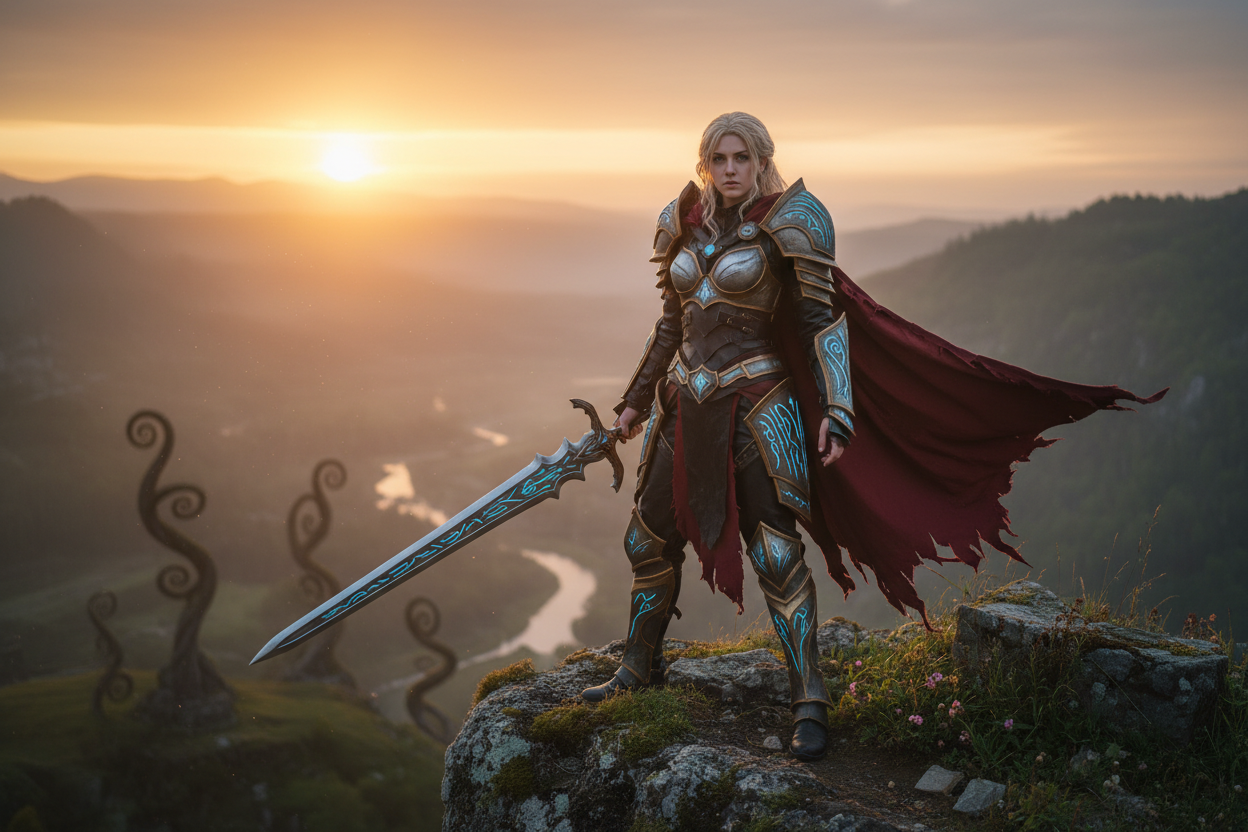
Craft Meets Art. The heartbeat of cosplay is craftsmanship, where materials become magic through patient hands and inventive thinking. Makers sketch designs, draft patterns, and sculpt shapes from EVA foam or thermoplastics, heat‑forming curves and reinforcing edges for comfort and durability. They learn sewing, tailoring, and finishing, translating reference images into wearable reality with smart fabric choices, hidden closures, and breathable linings. Wigs are cut, teased, and styled to defy gravity; props are 3D printed, sanded, primed, and painted with layered weathering that tells a story of adventure. Even on a tight budget, thrifted finds and upcycling sustain impressive results, while scrap bins inspire unexpected solutions. Tutorials, maker spaces, and workshop demos pass techniques between veterans and newcomers, making knowledge shareable and skills contagious. Perfection is less important than process: every bend, stitch, and brushstroke teaches something new. The finished look is satisfying, but the true reward is momentum—the growing confidence that comes from solving creative puzzles with your own hands.
Becoming the Character. Beyond the build, cosplay shines through performance—small choices that bring a character's essence into the room. A practiced pose, a signature gesture, or a well‑timed line can charm an audience as much as any elaborate costume. Many fans rehearse mannerisms, experiment with makeup that changes facial structure, and choreograph movements to match personality and backstory. Mini‑skits and photo prompts set scenes: a mage summoning light, a rogue mid‑dash, a hero bracing for impact. Collaboration adds sparkle, whether through duos, group lineups, or casual roleplay that respects boundaries and comfort levels. Thoughtful prop handling, safe staging, and awareness of surroundings keep the experience enjoyable for everyone. Cosplayers often build character sheets with notes on expressions, poses, and catchphrases, ensuring consistency across long days. The goal is not flawless imitation but embodiment—honoring what you love while letting your own voice peek through. When costume and character align, the result feels like live cinema.
Community and Conventions. The culture thrives in conventions, local meetups, and online threads where creativity circulates freely. Halls buzz with panels, build showcases, and friendly competitions that reward ingenuity and stage presence. Photographers set up portable studios, while hallway shoots turn blank walls into backdrops with a little lighting magic. Group builds coordinate palettes and props for cohesive ensembles, and fandom meetups strengthen cross‑series friendships. Etiquette keeps the fun flowing: ask before taking photos, respect personal space, and offer help only when invited. Many events provide repair stations and safety checks, acknowledging the practical side of elaborate designs. Social spaces extend the stage, featuring work‑in‑progress diaries, behind‑the‑scenes videos, and kind comments that sustain motivation between gatherings. Mentors emerge naturally, troubleshooting adhesives, wiring, or posing challenges with cheerful precision. In this ecosystem, the line between audience and performer blurs; everyone contributes to the show. The result is an entertainment experience powered by generosity, curiosity, and shared enthusiasm.
Inclusivity and Identity. Cosplay welcomes a wide range of bodies, backgrounds, budgets, and styles, proving that representation grows when fans take ownership of beloved stories. Body positivity flourishes as makers tailor silhouettes for comfort and confidence, while gender‑bent and crossplay interpretations invite fresh takes on familiar icons. Some blend cultural motifs thoughtfully, researching symbolism and context to celebrate origins with respect. Others create original characters, weaving personal narratives that stand proudly beside canonical favorites. Accessibility matters: lighter materials, modular armor, and mobility‑friendly designs help more people join in. Community norms encourage kindness, constructive feedback, and zero tolerance for harassment, so that self‑expression remains safe and supported. Accuracy can be satisfying, but creativity shines brightest when it reflects the wearer's identity—through palette tweaks, fabric substitutions, or stylized makeup. With each thoughtful choice, cosplay becomes a living gallery where individuality is not just accepted but celebrated as the engine of the art.
Getting Started and Staying Inspired. Beginning a cosplay can feel huge, so start with passion: pick a character you truly love, then map a plan that fits your time and budget. Break the build into parts—wig, clothing, props, makeup—and schedule milestones to keep momentum steady. Create a mood board of references from multiple angles, noting textures, seams, and scale. Practice small skills first: hand stitches before full jackets, foam bevels before complex armor. Explore closet cosplay to learn silhouette and styling without heavy costs, and visit thrift shops for adaptable base pieces. Organize tools safely, label materials, and document progress so future builds benefit from what you learn. Before events, test‑wear the costume, pack repair supplies, and rehearse a few poses. Celebrate each improvement, no matter how small. Seek feedback from supportive circles, learn from tutorials, and keep a folder of ideas that spark joy. In cosplay, curiosity compounds—creativity grows stronger each time you dare to make and play.