Circular Economy Made Simple: Design, Repair, Reuse
A practical guide to circular economy basics—design for longevity, repair culture, and reuse—to cut waste, save costs, and build resilience.
From Linearity to Loops
Consumers and companies are moving beyond the take-make-waste model. The circular economy shifts value creation to keeping materials in motion, and this is quickly becoming a defining trend across industries. Instead of chasing volume, organizations seek durability, utility, and regeneration. The simple rule: design products to stay in use, return safely, and be reborn as new inputs. Across sectors such as electronics, fashion, furniture, and appliances, the playbook is converging on three actions: design, repair, and reuse. Clear value follows: lower material risk, new service revenue, resilient supply, and deeper brand trust. Teams adopting circular practices find collaboration between design, operations, and after-sales becoming a strategic advantage. What once felt niche is now a mainstream movement shaping product roadmaps, store experiences, and procurement decisions. The best part: small steps compound. A repairable hinge, a standardized screw, a returnable package, and a clear return policy each create loop momentum. The message is practical and powerful: make things last, make them fixable, and make returns effortless.
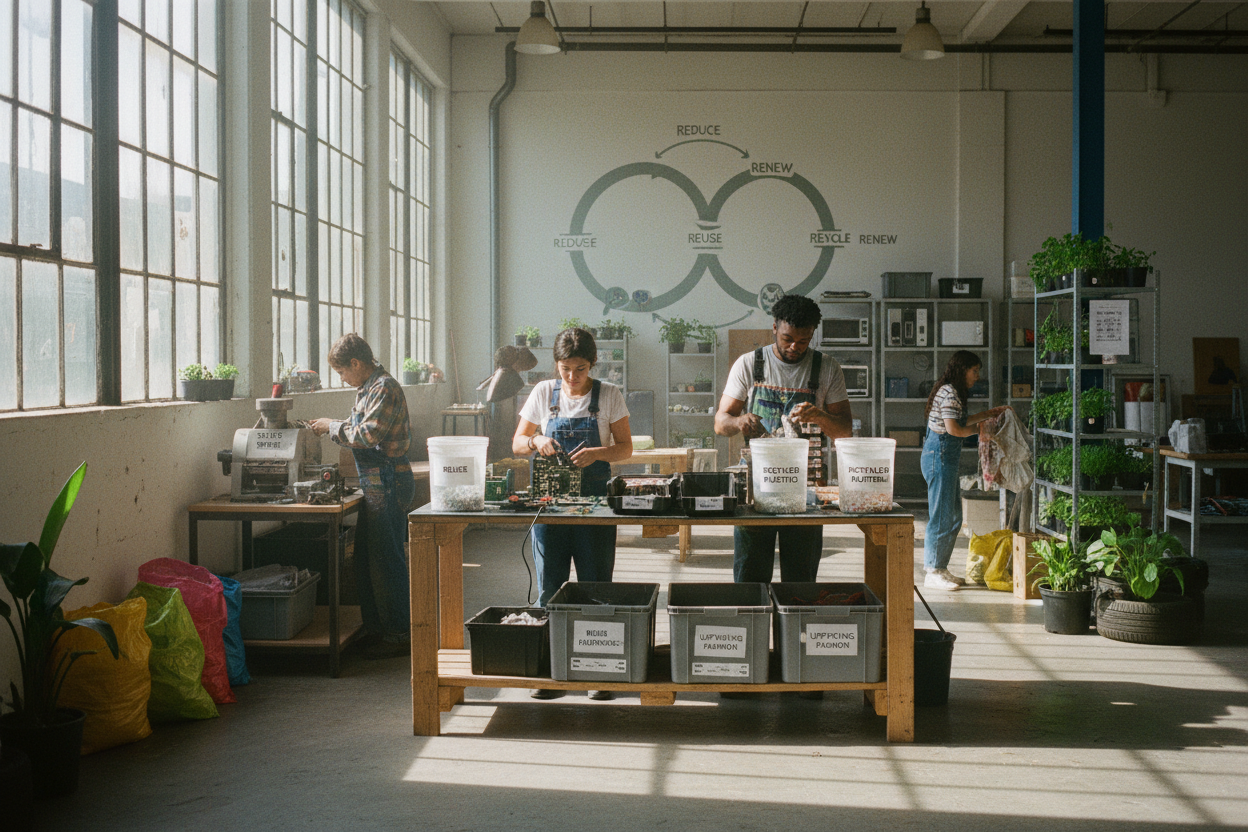
Design that Lives Many Lives
Great circular products begin at the drawing board, where design for disassembly is treated as a baseline rather than a novelty. Leading trends emphasize modularity, standardization, and mono-materials that simplify sorting, repair, and recycling. Designers swap permanent adhesives for reversible fasteners, specify durable finishes, and plan upgradability so users can extend performance without replacing the whole product. Material choices favor safe chemistry and documented provenance, often captured in a materials passport to improve downstream decisions. Digital workflows help: teams model components for repeated assembly cycles, simulate wear, and annotate service sequences directly into CAD. They use design guidelines that weigh weight, strength, cost, and circular value in a single brief. Packaging follows the same logic, with refillable formats and clear labeling for reuse. The result is a product architecture that anticipates new skins, swappable cores, and graceful retirements. In short, design is the front door to every circular loop, transforming aesthetics into long-term function and value.
The Repair Renaissance
The return of repair is more than nostalgia; it is a practical, scalable trend that unlocks new revenue and deeper loyalty. Brands that succeed make repairs visible, affordable, and fast. They publish service guides, keep spare parts in stock, and use standard tools so technicians and skilled users can complete fixes without heroic efforts. Smart layouts move wear-prone components to accessible zones, while clear color coding, pull tabs, and connectors reduce time on the bench. Diagnostics are designed in, from self-test routines to data logs that speed troubleshooting. Networks of certified micro-workshops and community repair hubs expand reach, creating local jobs and shortening turnaround. For complex items, remote triage and part pre-picking cut shipping and downtime. Service plans, take-back credits, and warranties that reward maintenance shift mindsets from disposal to stewardship. The payoff is tangible: higher residual value, fewer returns, and stronger engagement. Most importantly, a culture of right-to-repair aligns brand promises with everyday ownership.
Reuse, Refill, and Recommerce
Beyond repair lies a vibrant landscape of reuse systems that keep products and materials moving. Recommerce platforms extend product life with inspection, grading, and certified refurbishment, turning returns into reliable inventory. Product-as-a-service models decouple access from ownership, supporting proactive maintenance and guaranteed upgrades. Packaging embraces refill and return loops, aided by compact reverse logistics, cleaning protocols, and clear drop-off points. Apparel gains new life through curated resale and fiber-to-fiber routes; furniture is designed to be reupholstered, refinished, or remixed; electronics rotate through buy-back, remanufacture, and parts harvesting. Incentives matter: deposits, store credits, and convenient trade-in windows make participation easy. Data helps match supply with demand, while quality grading builds trust at scale. The trend is unmistakable: loops move from pilot to portfolio, and reuse becomes a core brand experience rather than an afterthought. Done well, these systems reduce waste, stabilize margins, and invite customers into a shared story of resource intelligence.
Scaling Circularity Across Systems
Turning pilots into platforms requires measurement, governance, and collaboration. Teams track durability, repair rate, return rate, and circular revenue to guide priorities. Unique identifiers and digital records act like a light switch for loops, revealing location, condition, and material content when and where needed. Procurement embeds circular specs in supplier scorecards: serviceable assemblies, safe materials, and take-back capability. Operations align reverse logistics with forward flows, optimizing hubs, cleaning, and inspection cells. Finance models the value of secondary markets, component recovery, and remanufacturing so the business case is clear. Marketing celebrates longevity with transparent storytelling that honors maintenance and second-life performance. Most importantly, cross-functional rituals keep momentum: design reviews for disassembly, service playbooks for common fixes, and reuse targets that map to real inventory. As these practices spread, circularity stops being a side project and becomes an operating system. That is the enduring trend: loops by default, waste by exception, value multiplied at every turn.