Bulk Buying 101: Save Money Without Sacrificing Quality
Master bulk buying with smart planning, unit-price math, and proper storage to cut grocery costs, reduce waste, and keep quality high on every shop.
Plan With Purpose
Bulk buying works best when it starts with a clear plan. Begin by mapping your household's consumption patterns for staples like rice, oats, cooking oil, coffee, and frozen vegetables. Note how much you actually use in a typical week, then multiply to set realistic par levels for a month. Align purchases with your budget, storage space, and meal planning so every item has a job and a place. Separate your list into shelf-stable versus perishables, and identify which ingredients support multiple recipes to maximize menu flexibility. Create a simple inventory sheet and update it after each shopping trip to prevent surprise shortages and duplicate buys. When trying a new brand, start small to confirm taste and quality before committing to a large case. Build in a cushion for sales cycles, and prioritize items that reduce weekday stress, like pre-portioned proteins or ready-to-cook grains. Planning limits waste, curbs impulse buys, and ensures your bulk strategy saves money without sacrificing the meals you love.
Do The Math On Unit Price
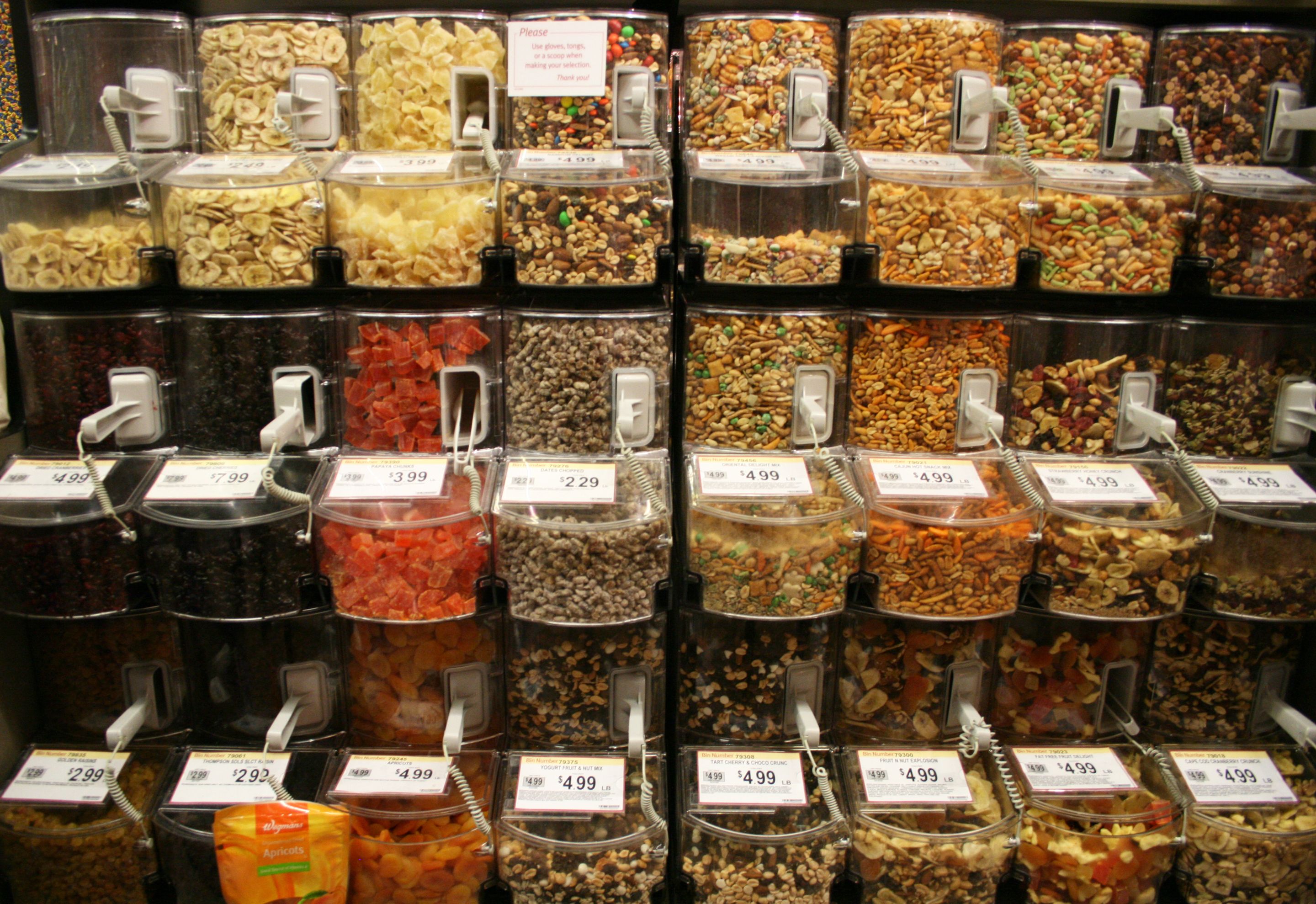
Price tags can be misleading; the real comparison is the unit price. Convert everything to a common unit, like per ounce or per pound, and ignore flashy multi-buy signs that mask higher costs. For example, a 4-pound bag at $6.99 equals about $1.75 per pound, while two 2-pound bags at $3.25 each equal about $1.63 per pound. Factor in yield: trimmed meats, dried beans that expand when cooked, and greens that cook down all change the true cost per serving. Check if larger packages sneak in water or sauces that raise weight but not nutrition. Consider convenience premiums too; pre-cut produce often costs more than whole items. Evaluate store brands against national labels, and stack coupons or loyalty points only when they beat the best unit price. Finally, weigh time and fuel costs: a great deal loses shine if it requires extra trips. Consistent unit-price tracking turns bulk buying into a reliable savings engine.
Prioritize Freshness And Quality
Saving money is pointless if quality suffers, so practice firm quality control. Inspect packaging for tight seals, intact seams, and no dents or tears. Read best-by and use-by guidance, but pair it with common sense: aroma, texture, and color often tell the story. Choose whole versions of items, like whole spices or coffee beans, for superior flavor and longer shelf life, grinding as needed. For produce, look for signs of high turnover and proper storage; avoid bins that seem dusty, sticky, or poorly rotated. Opt for frozen fruits and vegetables when you want peak ripeness locked in, and choose unseasoned varieties to retain flexibility in recipes. With meats, larger family packs are fine if you plan to portion and freeze them immediately. Avoid bulk sauces and condiments you rarely finish; flavor fades and textures separate. When in doubt, buy a small pack first, taste-test, and then scale up. The goal is consistent freshness across your pantry and freezer.
Store And Portion Like A Pro
Great storage preserves value. Keep dry goods in an airtight environment that is cool, dark, and dry to maintain flavor and block pests. Repackage large bags of flour, rice, and oats into sealed containers or jars, and label them with contents and open dates. Use FIFO rotation—first in, first out—so older items get used before newer ones. For meats, freeze flat in meal-size packs to speed thawing and reduce freezer burn; press out air or use a vacuum sealer when possible. Portion nuts, shredded cheese, and berries into snack or recipe sizes to support portion control and reduce waste. Store oils away from heat and light, and refrigerate nut oils to protect against rancidity. Freeze whole grains and nuts for longer shelf life, and thaw slowly in the refrigerator for best texture. Keep produce dry; separate moisture-loving greens from ethylene producers like apples and bananas. Clear labels and a simple inventory system turn your pantry into a reliable, money-saving asset.
What To Buy In Bulk, What To Skip
Some foods shine in bulk; others struggle. Strong candidates include rice, beans, oats, pasta, canned tomatoes, coconut milk, and baking staples like sugar, salt, and yeast. If you brew often, whole-bean coffee can work in bulk when stored airtight and rotated quickly. Cheese, butter, and bread are good bulk buys if you plan to freeze portions. Frozen vegetables and fruit are ideal for smoothies, soups, and sides without freshness pressure. Be cautious with spices and oils; flavors can fade and oils can turn rancid, so choose sizes you will finish on time. Nuts are fantastic if you freeze them, but risky at room temperature for long stretches. Skip delicate greens, berries, and soft herbs in jumbo packs unless you have immediate plans to use or preserve them. Oversized condiments, specialty sauces, and snacks can encourage overuse and staleness. Let consumption rate, spoilage risk, and storage capacity guide your cart so savings stick.
Smarter Shopping, Bigger Savings
Where you shop and how you buy matter. Compare warehouse clubs, local markets, co-ops, and ethnic grocers, which often excel on staples like rice, legumes, and spices. Ask about case discounts at service counters, and consider splitting large cases with friends or neighbors to access lower prices without overstocking. Time purchases to seasonal abundance and plan quick preservation methods like freezing, drying, or simple pickling. Keep a running price book to track best unit prices across stores, and update it as sizes and formulations change. Use loyalty programs selectively, and avoid deals that require buying more than you can store or use. Build a small buffer inventory so you can wait for true sales, and keep a short list of items worth stocking up whenever prices drop. Finally, streamline batch cooking around your bulk staples, turning low-cost ingredients into fast, flavorful meals. Strategic habits—not just big packages—create durable savings without compromising quality.